

Solution for 2000kVA‑33/0.4‑0.8kV Container‑Type Substation for Photovoltaic Projects in South Africa
| Suitable for ground‑mounted PV power stations on plateaus, in deserts and coastal areas of South Africa | Comply with SANS/Eskom grid‑connection and customs‑clearance requirements | |---|
Ⅰ. Project Overview
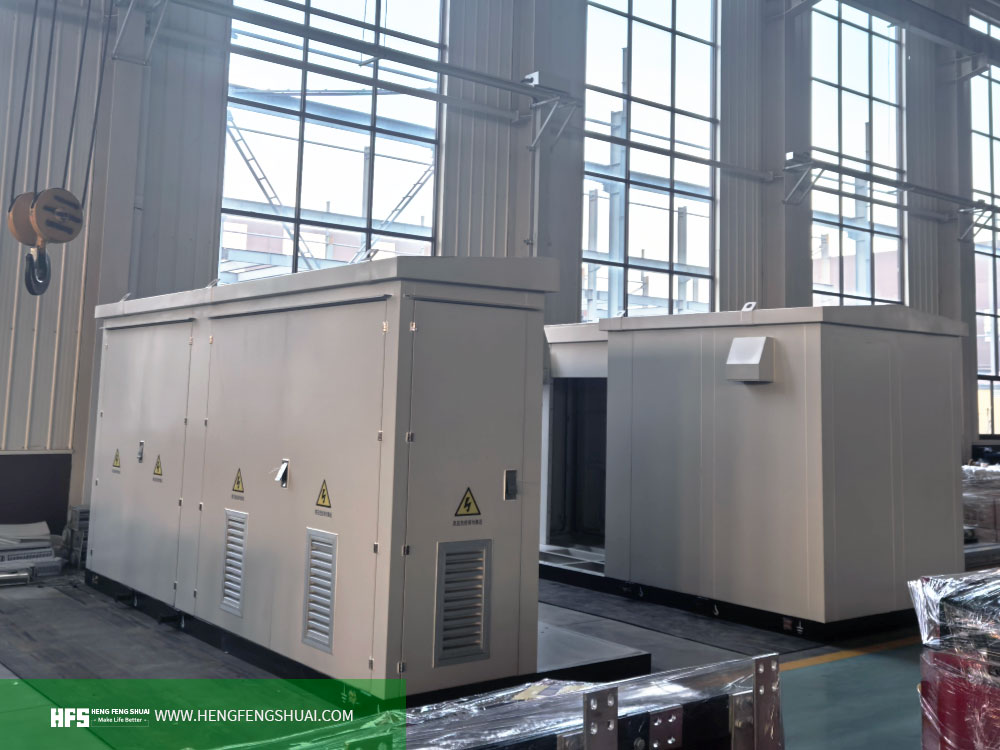
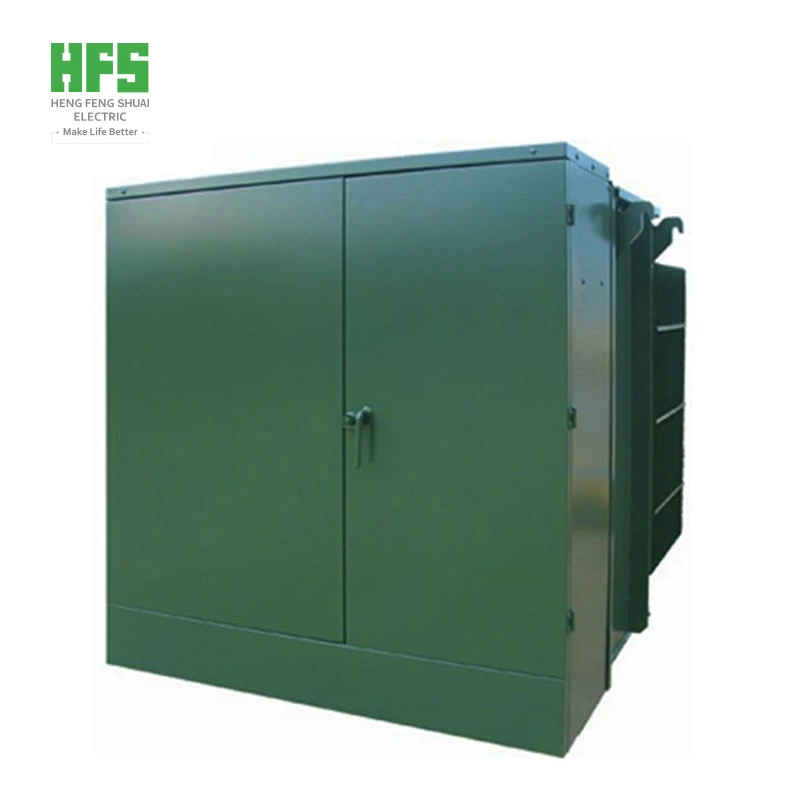
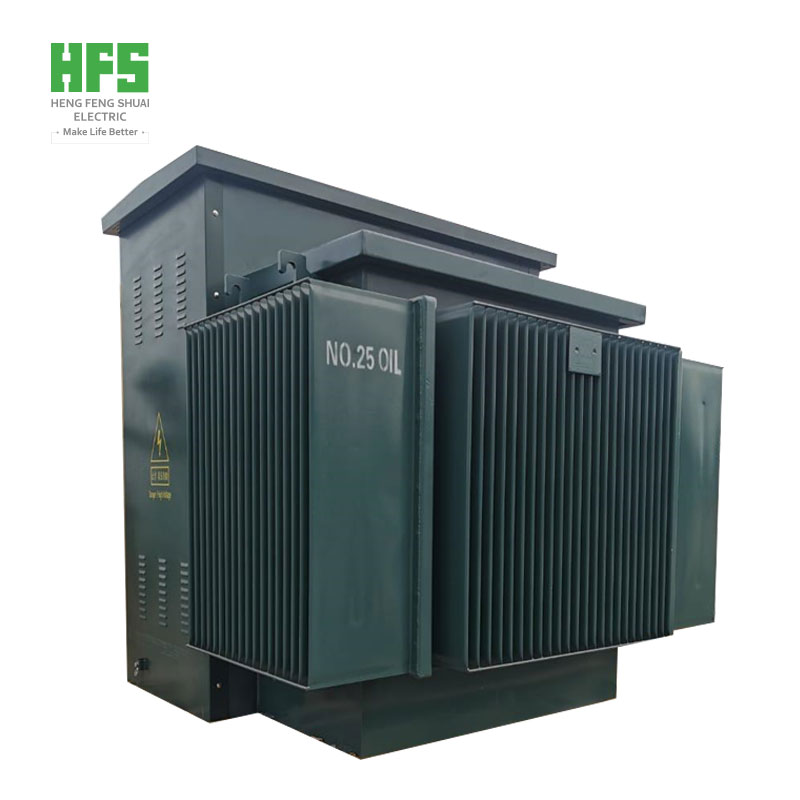
Targeting complex operating conditions of medium‑to‑large‑scale ground‑mounted photovoltaic power stations in South Africa, Hengfengshuai Electric provides a customized integrated solution of 2000kVA‑0.4‑0.8/33kV oil‑immersed photovoltaic step‑up container‑type substation.
The equipment collects electric energy at 0.4‑0.8kV from the inverter side and steps it up to 33kV for connection to the 33kV collection grid within the PV plant, ensuring stable operation throughout the 25‑year design service life of the power station.
PV sites in South Africa feature complicated field conditions: high‑temperature exposure under intense solar radiation on plateaus and in deserts, erosion by sand‑dust and coastal salt spray, photovoltaic harmonic disturbances, condensation caused by huge day‑night temperature differences, limited on‑site operation‑and‑maintenance resources, stringent requirements for grid‑connection and customs‑clearance documentation, and risks of damage during ocean freight. Supported by seven core customized designs including 50Hz electromagnetic simulation, Dy11 anti‑harmonic copper windings, high‑temperature temperature‑rise margin design, C5‑M heavy‑duty anti‑corrosion fully‑sealed structure, complete sets of English‑language IEC/SANS technical data packages, factory pre‑integration, and original spare‑parts supply for the full life‑cycle, this one‑stop solution mitigates multiple risks concerning site conditions, grid‑connection, logistics and on‑site maintenance for South African PV projects.
This product is specially tailored for PV plants in deserts, on plateaus and along coastlines of South Africa. Generic domestic standard container‑type substations are not directly adopted, so as to avoid project risks such as premature in‑service failure of conventional equipment, grid‑connection blockage and customs‑clearance hold‑ups.
Ⅱ. Typical Operating Conditions and Specialized Countermeasures for South‑African 2000kVA‑33/0.4‑0.8kV Photovoltaic Container‑Type Substation
1. Adaptation to Extreme High‑temperature Conditions on Plateaus and in Deserts
Operating‑condition description: In summer, inland desert and plateau regions of South Africa suffer high ambient temperatures and strong solar irradiance. Conventional transformers have insufficient temperature‑rise margin; excessive hot‑spot temperature of windings accelerates ageing of oil‑paper insulation and shortens the overall service life of equipment.
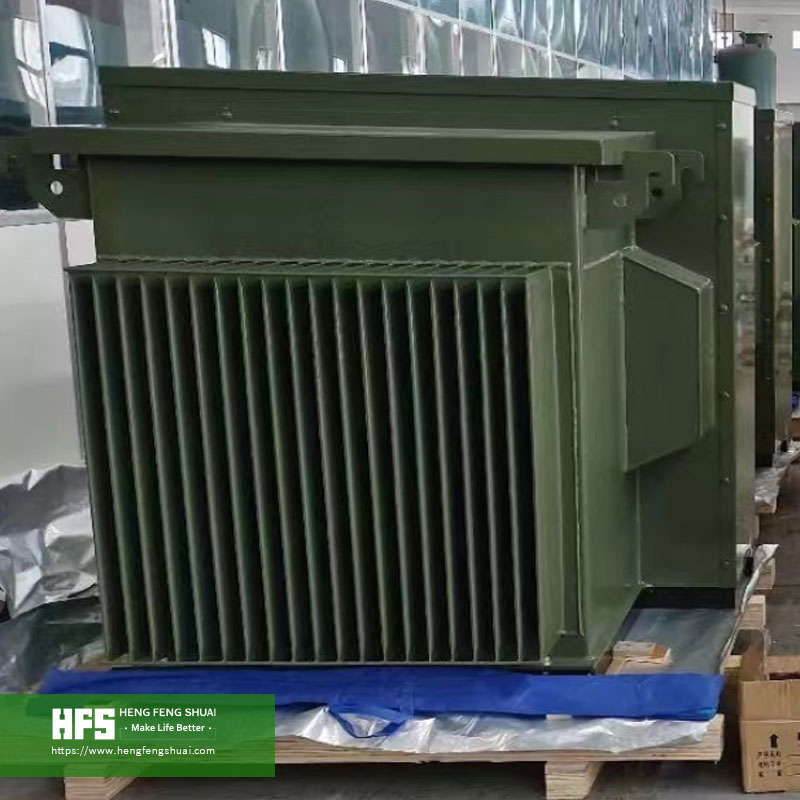
Specialized design by Hengfengshuai Electric: a. Conduct full‑unit 50Hz electromagnetic simulation to optimize core magnetic‑flux density; b. Perform specialized verification of high‑temperature temperature‑rise margin, widen internal oil ducts and adopt anti‑oxidant mineral insulating oil; c. Adopt ONAN oil‑immersed natural‑cooling design without external cooling fans to prevent fan failures induced by sand‑dust, ensuring continuous full‑load operation under extreme high temperatures.
2. Adaptation to Arid Sand‑dust and Coastal Salt‑spray Environments
Operating‑condition description: Some PV plants are exposed to both inland wind‑blown sand and coastal salt spray. Ordinary C3 anti‑corrosion configurations tend to trigger paint peeling, cabinet corrosion and rapid ageing of sealing components, shortening equipment service life.
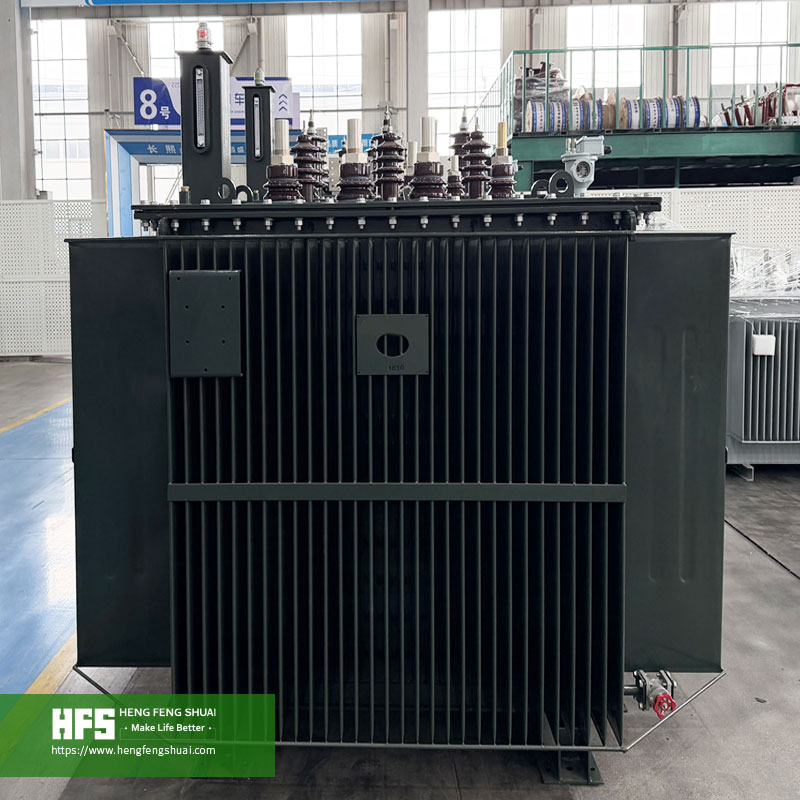
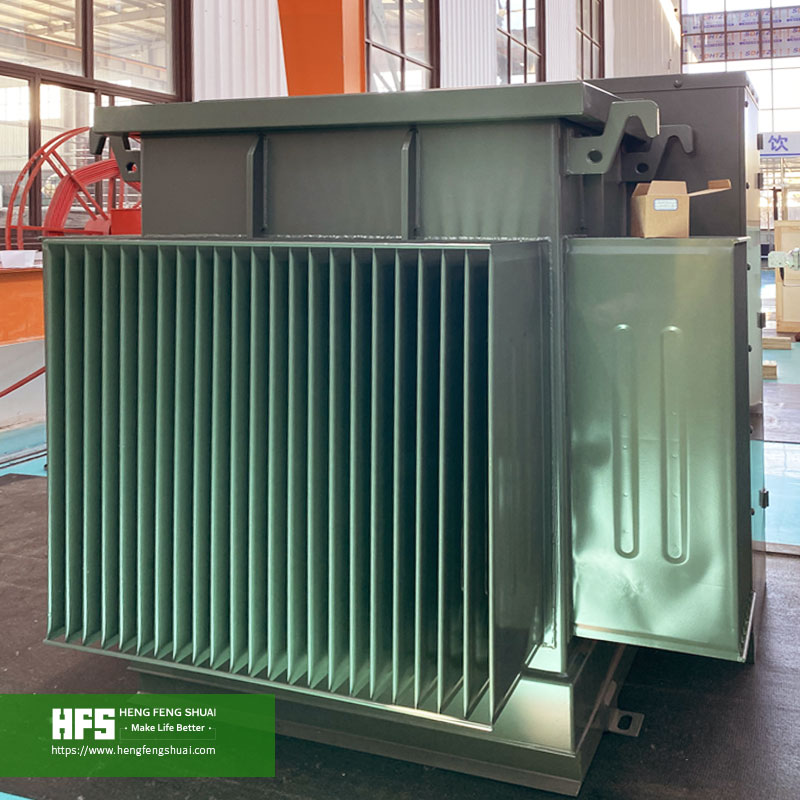
Specialized design by Hengfengshuai Electric: a. Comply with C5‑M heavy‑duty anti‑corrosion grade. Sand‑blast oil tanks and radiators, and apply a three‑layer protective coating system: epoxy zinc‑rich primer plus weather‑resistant polyurethane topcoat; b. Deploy 304‑stainless‑steel fasteners for all exposed components; c. Increase anti‑pollution creepage distance of high‑voltage bushings to reduce insulation flash‑over risks caused by accumulated sand‑dust contamination.
3. Adaptation to Intermittent PV Output and Harmonic Conditions
Operating‑condition description: Cloud cover leads to dramatic fluctuations of photovoltaic power output, and inverters generate harmonics. Ordinary transformers may incur local overheating of windings and unplanned outages.
Specialized design by Hengfengshuai Electric: a. Adopt Dy11 vector group to effectively suppress third‑order harmonics from inverters and reduce harmonic heating effects; b. Deploy high‑purity electrolytic‑copper anti‑harmonic reinforced windings to withstand short‑term PV overloads and adapt to drastic solar‑irradiance fluctuations; c. Control short‑circuit impedance within 6%‑8% to match short‑circuit current of South‑African power grid and satisfy dynamic‑thermal‑stability assessment criteria.
4. Adaptation to Condensation Risks from Large Day‑Night Temperature Differences
Operating‑condition description: Huge day‑night temperature differences in deserts and on plateaus easily give rise to condensation inside container‑type substations, resulting in dampened insulation, degradation of transformer oil and potential insulation faults.
Specialized design by Hengfengshuai Electric: a. Implement full‑unit fully‑sealed construction. Deploy ageing‑resistant sealing gaskets for all flanges and bushing bases to block ingress of external water vapour; b. Combine with the C5‑M sealing‑protection system to mitigate water‑vapour penetration risks induced by day‑night temperature swings; c. Carry out specialized full‑unit sealing‑protection validation prior to factory delivery to minimize internal‑condensation risks at source.
5. Adaptation to Remote Sites with Limited Operation‑and‑Maintenance Resources
Operating‑condition description: Most South‑African PV power stations are located in remote areas with shortages of skilled on‑site electrical‑maintenance personnel. On‑site troubleshooting is difficult and lead‑times for support are long upon equipment failure, which imposes high requirements for low‑maintenance design, remote monitoring support and spare‑parts availability.
Specialized design by Hengfengshuai Electric: a. Adopt ONAN oil‑immersed natural‑cooling configuration and eliminate failure‑prone cooling fans to cut down on‑site fault points; b. Deliver complete English‑language operation‑and‑maintenance manuals together with standardized fault‑troubleshooting guidelines to lower barriers for on‑site operators; c. Enable alarm‑signal output for temperature controllers, gas relays and pressure‑release valves, supporting interconnection with plant remote‑monitoring systems and reducing manual inspection frequency; d. Provide online remote technical support, and arrange on‑site commissioning guidance by engineers upon request; e. Commit to supplying original‑manufacturer spare parts throughout the full equipment life‑cycle to avoid premature equipment retirement caused by spare‑part shortages.
6. Compliance Adaptation for Grid‑connection and Import Customs Clearance
Operating‑condition description: Eskom and South‑African renewable‑energy power plants are subject to strict grid‑connection codes. Import customs clearance calls for complete English‑language type‑test reports, factory‑acceptance‑test documents and drawing packages. Incomplete documentation may cause grid‑connection delays and cargo detention by customs, bringing schedule disruptions and economic losses.
Specialized design by Hengfengshuai Electric: a. Design products in alignment with IEC 60076 and SANS 780 standards to satisfy Eskom grid‑connection codes; b. Deliver complete packages including English‑language nameplates, general‑assembly drawings, wiring diagrams, FAT (Factory Acceptance Test) reports, operation‑and‑maintenance manuals and spare‑parts lists; c. Assist with issuance of certificates of origin; complete data packages can be directly used for customs clearance and grid‑connection filing & review by power utilities.
7. Adaptation to Ocean‑Freight Transportation Conditions
Operating‑condition description: Vibration and jolting during trans‑ocean shipping together with cabin condensation may trigger loose connections and seal leakage. Many defects only manifest after energization, leading to complex liability‑determination procedures. Damaged‑upon‑arrival equipment incurs high rework costs and grid‑connection schedule delays.
Specialized design by Hengfengshuai Electric: a. Reinforce overall equipment structures specifically for sea transportation; fasten internal leads and connectors against vibration; b. Apply full‑oil‑filled shipment solution with comprehensive rust‑proof and moisture‑proof sealing protection for complete units; c. Adopt fumigation‑free plywood crates or steel‑structure supports for packaging to satisfy South‑African port quarantine requirements; d. Optionally supply 3‑D electronic shock recorders to log vibration‑and‑shock data throughout sea transit, facilitating post‑arrival status review and liability assessment.
Ⅲ. Core Technical Parameters of South‑African 2000kVA‑33/0.4‑0.8kV Photovoltaic Container‑Type Substation
|
Parameter Item |
Hengfengshuai Electric Container‑Type Substation 0.4‑0.8/33kV |
Adaptation Notes for South‑African PV Projects |
|---|---|---|
|
Rated Capacity |
2000kVA |
Aggregate power from multiple inverters for centralized collection at ground‑mounted PV plants; support modular expansion |
|
Rated Frequency |
50Hz |
Match South‑African power‑grid frequency; full‑unit design validated via 50Hz electromagnetic simulation |
|
Rated Voltage Ratio |
0.4‑0.8kV / 33kV (Um=36kV) |
Adapt to 0.4‑0.8kV output of inverters; interface with 33kV collection network within PV plant |
|
Equipment Type |
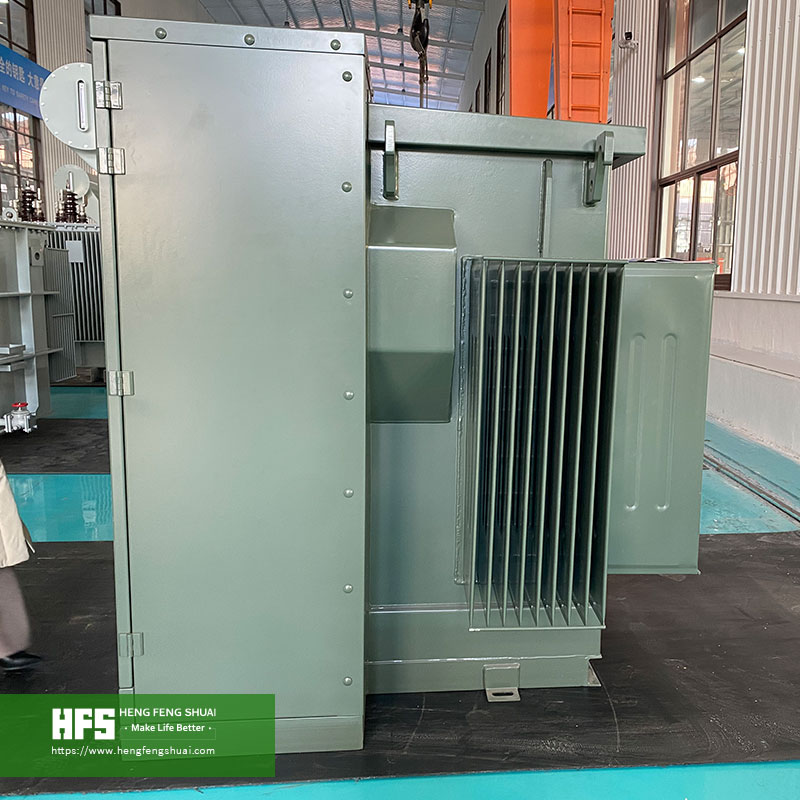
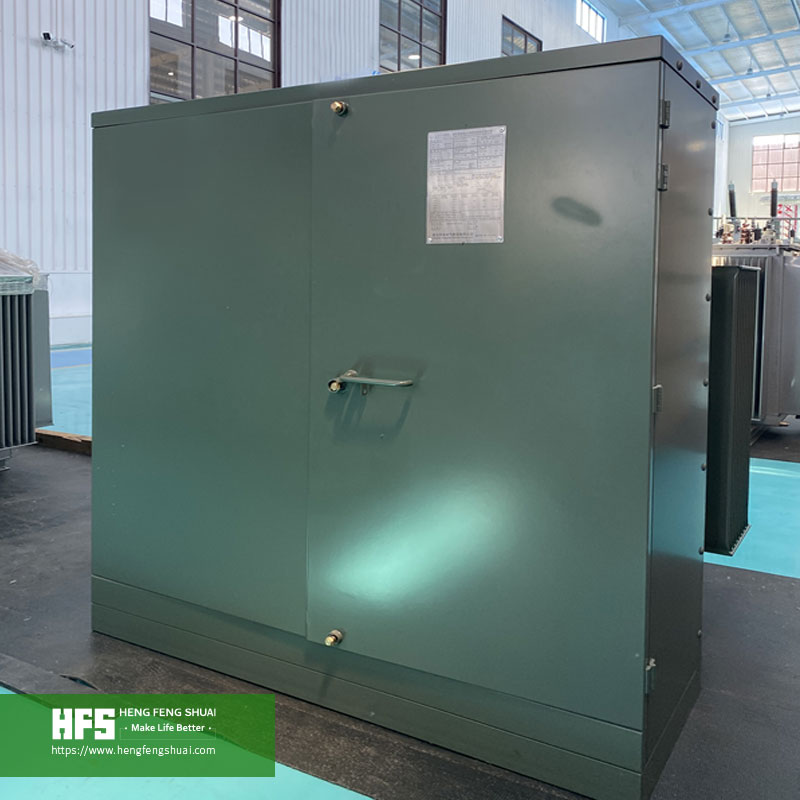
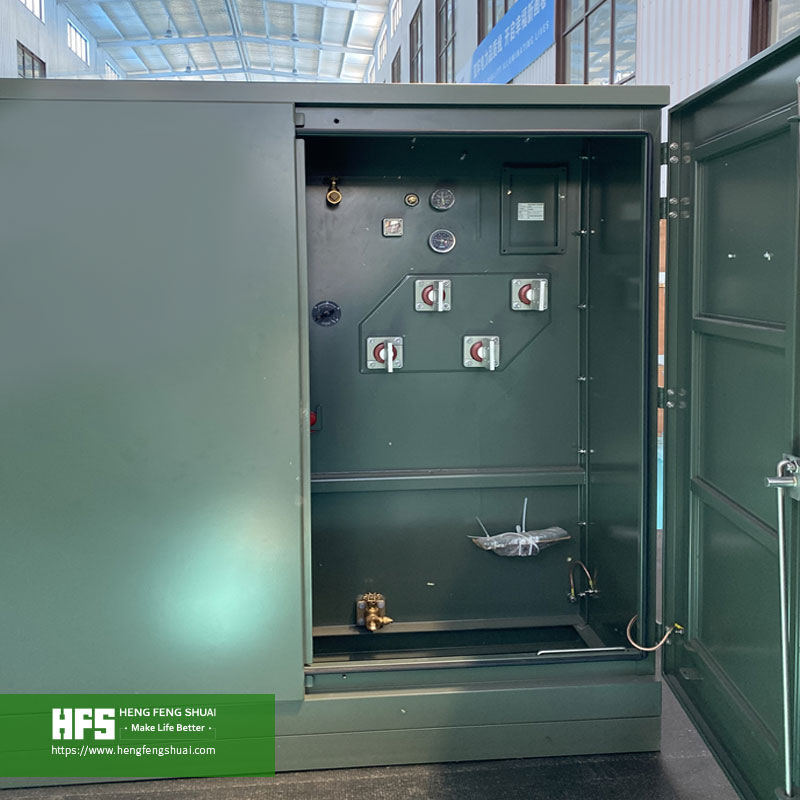
Oil‑immersed container‑type substation (pre‑fabricated compartment) |
Factory‑integrated assembly; high‑voltage, transformer and low‑voltage units housed within one enclosure for outdoor ground‑mounted installation |
|
Voltage Regulation Mode |
Off‑circuit tap‑changer with ±2×2.5% tap positions |
Compensate for voltage deviations at PV plants; tap adjustment performed under power‑off conditions |
|
Cooling Mode |
ONAN Oil‑Immersed Natural Cooling |
No external cooling fans, minimizing sand‑dust‑induced faults; thermal‑dissipation performance verified for high‑temperature scenarios |
|
Vector Group |
Dy11 |
Suppress third‑order harmonics from inverters and fulfil harmonic indices for South‑African grid‑connection |
|
Design Ambient Temperature |
Sufficient temperature‑rise margin reserved for local extreme high temperatures |
Slow insulation ageing and guarantee reliable full‑load operation under high‑temperature conditions |
|
Winding Material |
High‑purity electrolytic‑copper anti‑harmonic reinforced windings |
Resist harmonic heating effects from PV generation and withstand short‑term overload shocks |
|
Insulation Level |
33kV side complies with IEC/SANS lightning‑impulse and power‑frequency withstand‑voltage requirements |
Adapt to over‑voltage conditions in thunder‑prone areas across South Africa |
|
Short‑circuit Impedance |
6%‑8% |
Match power‑grid short‑circuit current and satisfy dynamic‑thermal‑stability criteria |
|
Loss Level |
Meet loss limits of SANS 780 for corresponding capacity class |
FAT measurements performed at factory; shipment prohibited for units failing index acceptance |
|
Noise Level |
≤68dB(A) (measured 1.5 m from enclosure wall under full load) |
Satisfy noise‑control requirements for photovoltaic plants |
|
Anti‑corrosion & Protection Grade |
C5‑M heavy‑duty anti‑corrosion, fully‑sealed construction |
Resist coastal salt‑spray corrosion, desert sand‑dust abrasion and ultraviolet radiation; 304‑stainless‑steel exposed fasteners |
|
Applicable Standards |
IEC 60076, SANS 780, IEC 62271‑202/200 |
Complete English‑language data packages for customs‑clearance and grid‑connection reviews |
Note: Full‑version technical datasheets are available upon request for PDF download.
Ⅳ. Core Value & Advantages of the 2000kVA‑33/0.4‑0.8kV Photovoltaic Container‑Type Substation Solution for South‑Africa
1. Factory‑integrated pre‑assembly delivery to cut project investment and on‑site workload
High‑voltage assemblies, transformer bodies, low‑voltage protection accessories are all fully integrated and assembled within the factory. On‑site work only includes hoisting & positioning and cable termination, drastically shortening on‑site installation durations.
Provide standardized foundation‑layout drawings to reduce civil‑engineering costs for PV plants;
Generalize components such as bushings, relays and sealing gaskets to lower on‑site spare‑parts inventory pressure;
Adopt unified‑material procurement and unified inspection procedures for mass‑production and sea‑freight delivery to optimize overall project costs;
Deliver full English‑language documentation packages for customs‑clearance and grid‑connection filing concurrently with factory dispatch.
2. Specialized electrical design for PV operating conditions to adapt to solar‑irradiance fluctuations and harmonic environments
Optimized specifically for cloud‑cover disturbances and inverter‑generated harmonics at South‑African PV plants: Dy11 vector group suppresses third‑order harmonics; anti‑harmonic copper windings deliver short‑term overload capacity; short‑circuit impedance is tuned to grid requirements, mitigating risks of transformer overheating and unplanned shutdowns and safeguarding the 25‑year design life of power stations.
3. Specialized high‑temperature simulation verification for reliable operation under plateau‑desert intense solar exposure
Design does not follow generic ambient‑temperature standards. Combined 50Hz electromagnetic simulation and extreme‑high‑temperature temperature‑rise verification, paired with anti‑oxidant insulating oil and widened oil‑duct design, ensure stable full‑load equipment performance under summer extreme‑temperature scenarios.
4. C5‑M heavy‑duty anti‑corrosion fully‑sealed design for simultaneous resistance against salt spray, sand‑dust and condensation
Three‑layer heavy‑duty anti‑corrosion coating plus full‑unit sealing architecture resist both inland sand‑dust abrasion and coastal salt‑spray corrosion. High‑voltage bushings with enhanced anti‑pollution creepage distance and ageing‑resistant sealing gaskets mitigate internal‑condensation risks caused by large day‑night temperature differences and extend outdoor service life.
5. Standardized IEC/SANS English‑language data packages to streamline customs‑clearance and grid‑connection workflows
Documentation is configured at the design phase in accordance with requirements for South‑African overseas projects. Complete English‑language nameplates, drawings, FAT reports and operation‑and‑maintenance documents support import‑customs clearance and Eskom grid‑connection assessment, avoiding schedule losses triggered by missing documentation.
Ⅴ. Customized R&D and Factory FAT Acceptance Testing for South‑African 2000kVA‑33/0.4‑0.8kV Photovoltaic Container‑Type Substation
1. Specialized Custom‑Development Workflow
Carry out multiple rounds of simulation and component‑selection validation targeting South‑African high‑temperature, salt‑spray & sand‑dust conditions and grid‑connection specifications: a. Perform 50Hz electromagnetic simulation to calculate winding temperature‑rise margin under extreme high‑temperature conditions; b. Conduct C5‑M heavy‑duty anti‑corrosion structural design and select UV‑resistant sealing components and anti‑pollution high‑voltage bushings; c. Configure tap‑changer circuits and protection accessories matching 0.4‑0.8/33kV voltage class; d. Commence formal production after confirmation of technical specifications, anti‑corrosion grades and sea‑freight packaging dimensions.
2. Comprehensive Factory Acceptance Test (FAT)
Every unit undergoes complete factory‑acceptance testing. Units failing loss, temperature‑rise or sealing tests are prohibited from dispatch. a. Routine basic tests: winding DC‑resistance measurement, transformation‑ratio & vector‑group verification, no‑load & load‑loss measurement, short‑circuit‑impedance measurement, power‑frequency withstand‑voltage test, lightning‑impulse test, full‑stroke tap‑changer validation; b. High‑temperature temperature‑rise simulation to replicate extreme desert operating scenarios; c. Specialized anti‑corrosion and sealing validation including salt‑spray ageing testing and full‑unit sealing‑performance inspection; d. Protection‑system interlock testing: validation of alarm interlocks for temperature controllers, gas relays and pressure‑release valves; e. Witness Test (WTT) is available for customer‑ or third‑party‑witnessed (SGS/BV) factory tests with witness‑test reports issued accordingly.
Ⅵ. Sea‑Freight Packaging, On‑site SAT Acceptance and After‑sales Support for South‑African 2000kVA‑33/0.4‑0.8kV Photovoltaic Container‑Type Substation
1. Ocean‑Freight Packaging & Delivery
Units are shipped oil‑filled with comprehensive rust‑proof and moisture‑proof sealing protection. Fumigation‑free plywood crates or steel‑structure supports are deployed to satisfy South‑African port quarantine rules. 3‑D electronic shock recorders can be fitted on request to log shipping conditions. Production lead‑times are calculated upon drawing confirmation and advance‑payment receipt. Expedited production can be negotiated according to civil‑engineering schedules of projects. All English‑language technical and customs‑clearance documents are handed over prior to shipment.
2. Standardized On‑site SAT (Site Acceptance Test) Installation & Commissioning
a. Joint unpacking inspection of enclosures, bushings and sealing integrity by owner, EPC and supervision representatives; b. Implement plant‑earthing systems strictly in compliance with South‑African electrical codes; c. Perform on‑site re‑measurement of insulation resistance and transformation ratios, verify protection‑device interlocks and complete SAT‑acceptance documentation; d. Conduct no‑load trial operation and step‑by‑step load‑connection to the 33kV collection grid.
3. After‑sales Operation‑and‑Maintenance Support
a. Deliver complete English‑language drawings, FAT reports and operation‑and‑maintenance manuals, together with special‑purpose operating procedures for high‑temperature salt‑spray environments; b. Provide online remote technical support; on‑site installation‑and‑commissioning guidance by field engineers is negotiable; c. Standard equipment warranty period is 1 year counted from on‑site acceptance. Extended‑warranty options are available via commercial negotiation. Warranty excludes damage caused by on‑site mis‑operation, overload and external mechanical impact; d. Fault‑response workflow: online technical support is activated upon receipt of written fault notifications; emergency response is initiated for major failures; on‑site service schedules are subject to project‑specific negotiation; e. Original‑manufacturer spare‑parts supply throughout the full equipment life‑cycle to sustain long‑term power‑station operation.
Note: Equipment is designed for a service life of 25 years. Design‑life does not equal warranty‑period; long‑term reliable operation relies on original‑manufacturer spare‑parts supply and standardized operation‑and‑maintenance practices.
Ⅶ. Frequently‑Asked Questions for South‑African 2000kVA‑33/0.4‑0.8kV Photovoltaic Container‑Type Substation Projects
Q: Can Hengfengshuai’s 2000kVA‑0.4‑0.8/33kV container‑type substation be directly deployed for ground‑mounted PV projects in South Africa?A: Generic domestic IEC‑version products cannot be directly commissioned. Upgrades including C5‑M heavy‑duty anti‑corrosion treatment, enhanced high‑temperature temperature‑rise margin and complete English‑language documentation packages are mandatory to satisfy SANS and Eskom grid‑connection specifications.
Q: Is oil‑drainage and nitrogen‑filling required for sea‑freight shipment of these container‑type substations?A: This 2000kVA distribution‑class container‑type substation adopts full‑oil‑filled shipment with adequate sealing and moisture‑proof measures. Oil‑drainage plus nitrogen‑filling is mainly applied for large main power transformers. 3‑D shock recorders are optional for transportation‑condition traceability.
Q: Can the equipment sustain full‑load operation under summer high temperatures in South Africa?A: This solution incorporates specialized high‑temperature temperature‑rise‑margin simulation design. The thermal‑dissipation system is dimensioned for extreme ambient conditions, complemented by anti‑harmonic copper windings and over‑temperature‑alarm protection to mitigate overheating‑induced shutdown risks.
Q: Does the product satisfy Eskom grid‑connection and import‑customs‑clearance requirements of South Africa?A: The product complies with IEC 60076 and SANS 780 standards and conforms to grid‑connection codes for renewable‑energy power plants of Eskom. We supply complete English‑language nameplates, drawings, type‑test certificates and FAT reports which can be directly used for import‑customs clearance and grid‑connection assessment by power utilities.
Ⅷ. Solution Summary and Cooperation Enquiry for South‑African 2000kVA‑33/0.4‑0.8kV Photovoltaic Container‑Type Substation
This 2000kVA‑0.4‑0.8/33kV container‑type substation is purpose‑built for power‑collection and step‑up applications at ground‑mounted photovoltaic power stations located on plateaus, in deserts and along coastlines of South Africa. Seven sets of customized design measures fully address challenges including intense high‑temperature solar exposure, salt‑spray‑and‑sand‑dust erosion, photovoltaic harmonics, day‑night‑temperature‑difference‑driven condensation, limited on‑site‑maintenance capacity, ocean‑freight transportation hazards and grid‑connection‑&‑customs‑clearance compliance.
Hengfengshuai Electric is well‑acquainted with South‑African grid‑connection codes and full‑delivery workflows for overseas engineering projects. Besides this specified model, complete technical solutions for photovoltaic container‑type substations of alternative capacity classes are available. Technical proposals and quotations together with English‑language type‑test documentation are offered for South‑African EPC contractors and foreign‑trade suppliers.
E‑mail: hfs@hengfengshuai.com
Qingdao Hengfengshuai Electric Co., Ltd
WhatsApp: +86 152 6625 8801
Address: No. 251, Xingyang Road, Chengyang District, Qingdao, Shandong
Email: hfs@hengfengshuai.com
Customer service email: service@hengfengshuai.com
website:https://www.hengfengshuai.com