

I. Project Overview | 20/0.4kV Three‑Phase Oil‑Immersed Power Transformer for Yazd New Town Distribution Network in Iran
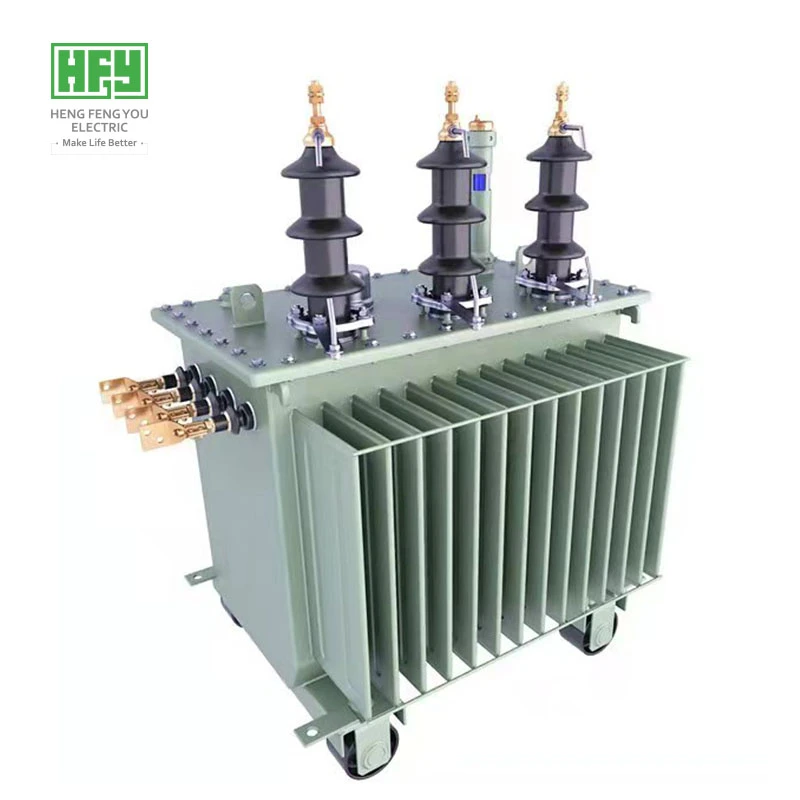
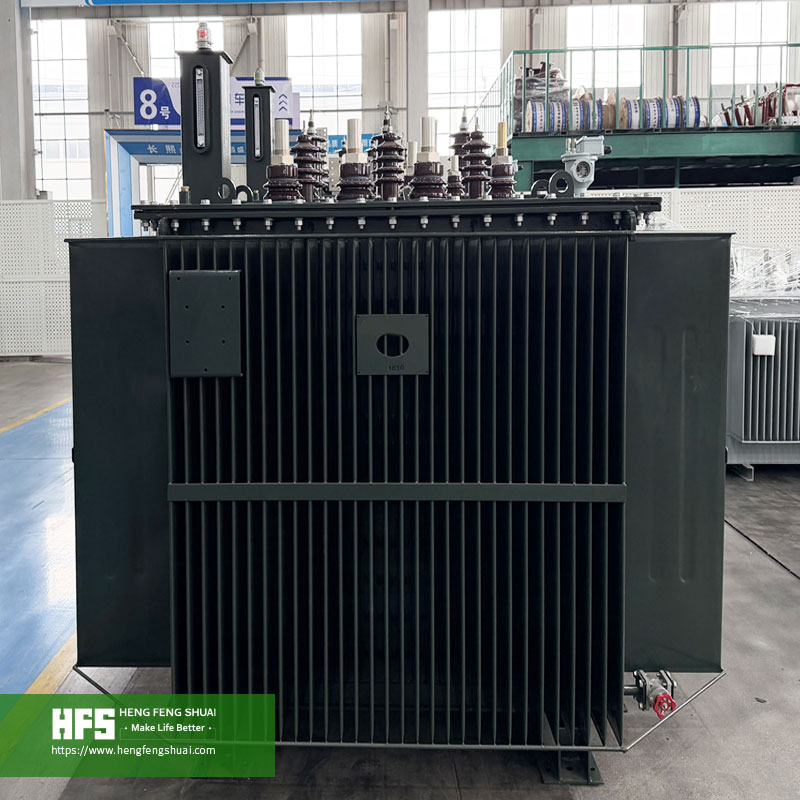
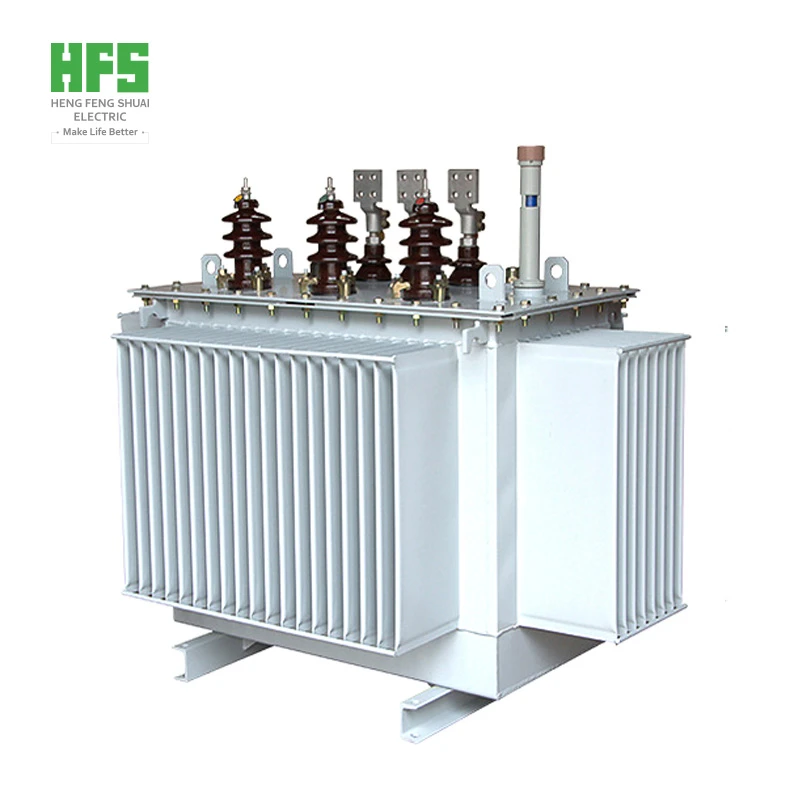
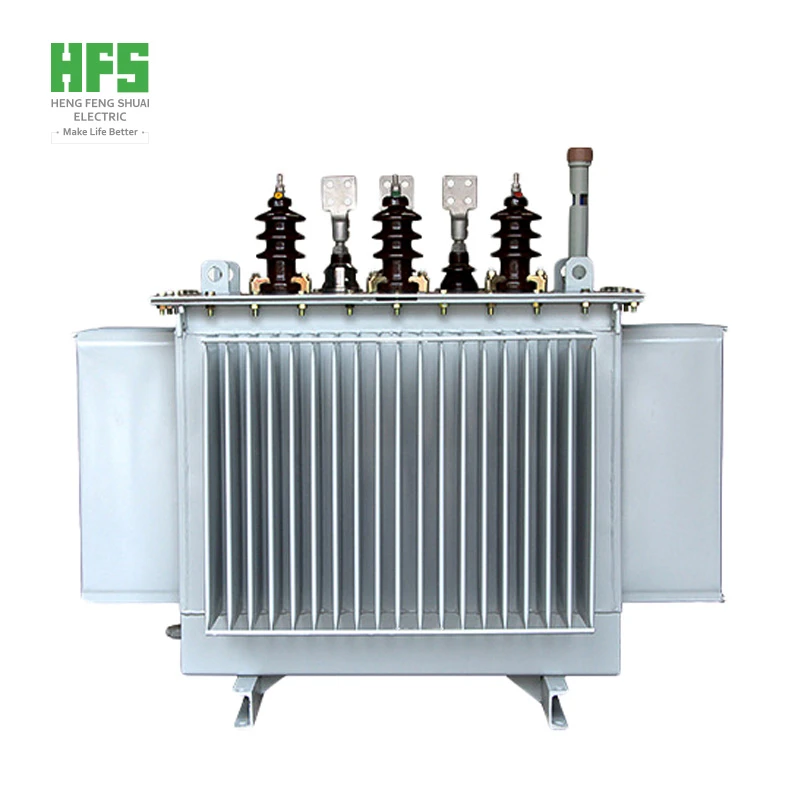
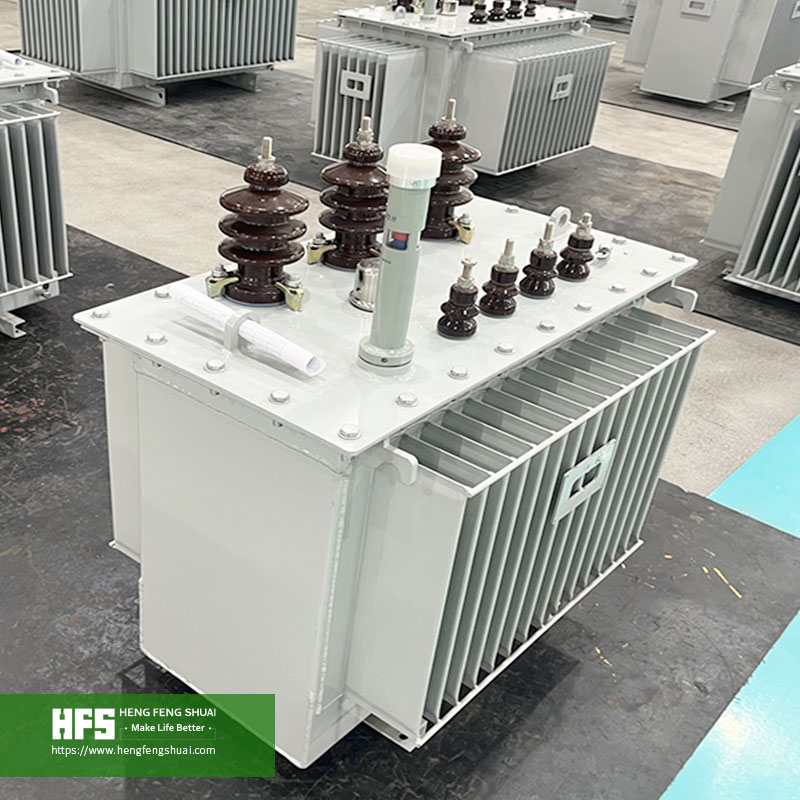
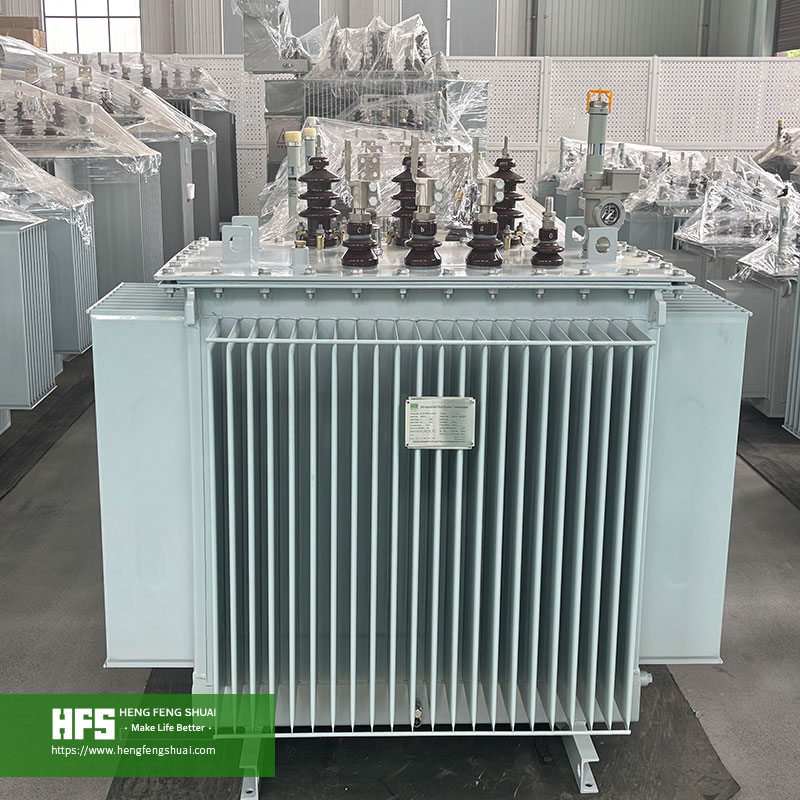
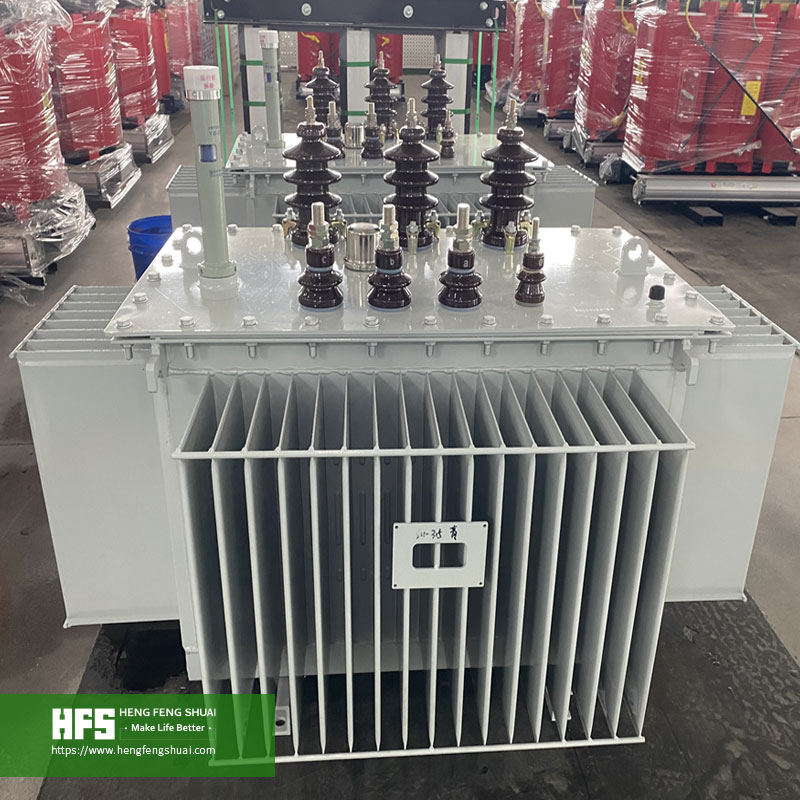
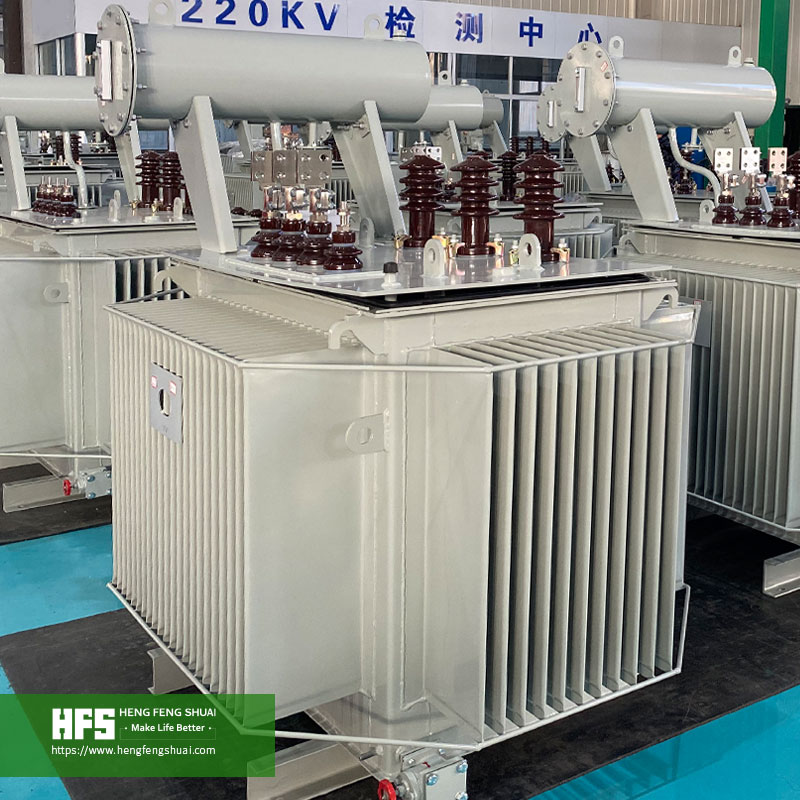
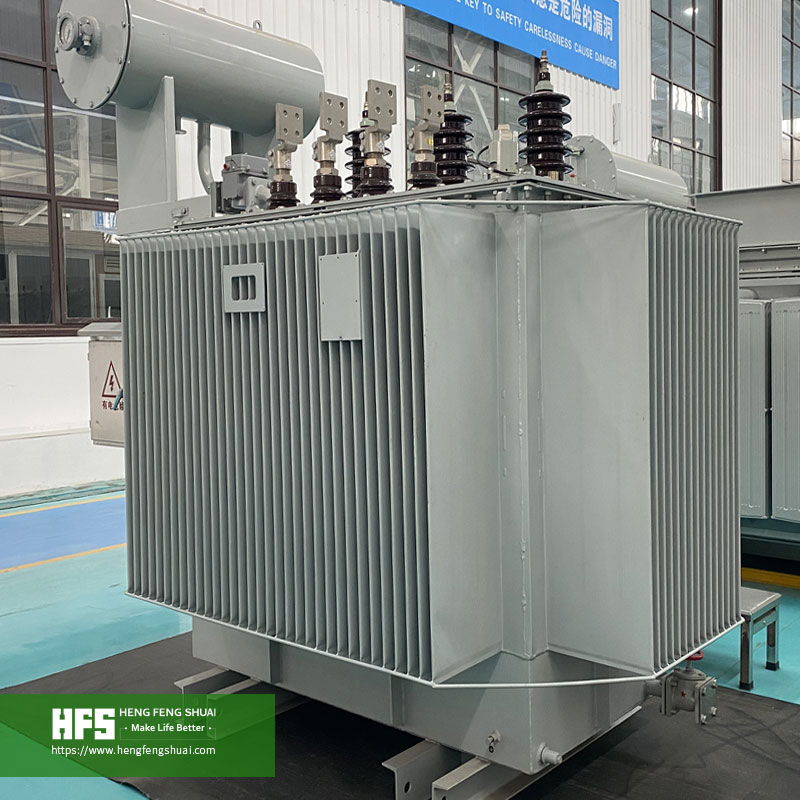
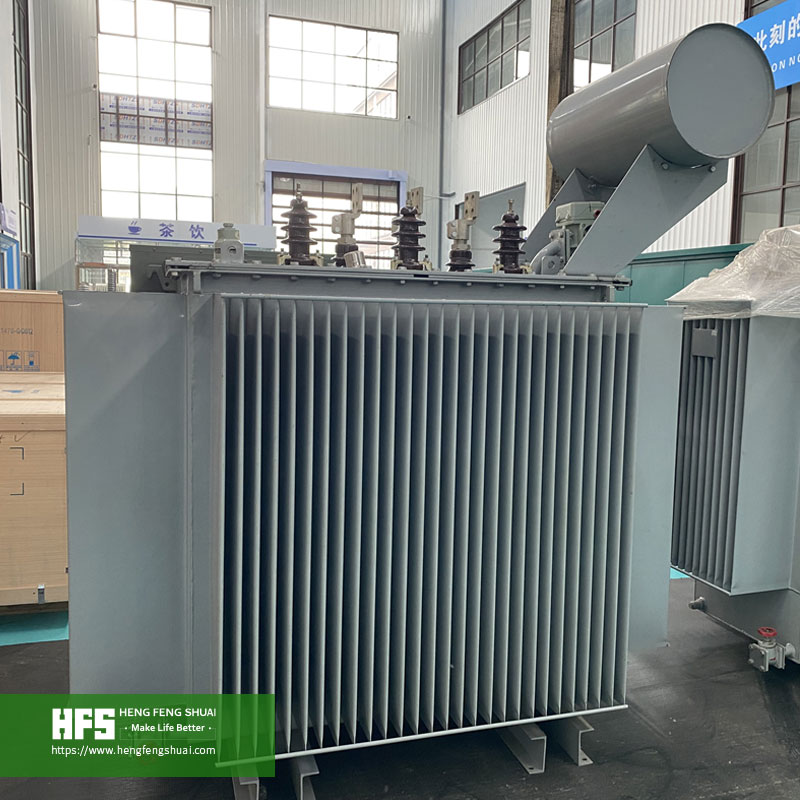
This distribution network renovation project for Yazd New Town, Iran deploys 40 units of 20/0.4kV S11 three‑phase oil‑immersed power transformers. Custom‑developed for residential communities and small commercial‑industrial blocks on the desert fringe of central Iran, the solution addresses seven key power distribution pain points: extreme ambient temperatures, heavy sand‑dust exposure, huge diurnal temperature swings, voltage fluctuations on the 20 kV distribution network, outdoor aging under solar radiation, harmonic distortion from local photovoltaic grid‑connection, and corrosion‑resistant weatherproof performance in arid regions.

Hengfengshuai Electric has extensive experience in delivering distribution transformers for export to Iran and the broader Middle East. Products comply with Iran’s local ISIRI standards while aligning with IEC 60076 international standards, and meet acceptance requirements for grid connection set by Tavanir, Iran’s national power utility. With 20 kV medium‑voltage incoming supply and 0.4 kV low‑voltage distribution output, the transformers deliver step‑down power supply for newly‑built residential buildings, street‑side small shops, community facilities, and distributed rooftop photovoltaic integration across Yazd New Town, ensuring stable power supply for tens of thousands of residents and commercial‑industrial consumers.
1. Seven Core Pain Points for the Distribution Network of Yazd New Town, Iran
a. Extreme wide‑temperature operating conditions: Outdoor ambient temperature ranges from ‑20 ℃ to +60 ℃. Prolonged intense solar radiation in summer and severe cold in winter cause sharp increases in core loss and excessive winding temperature‑rise for conventional transformers. Strong ultraviolet radiation accelerates ageing of tank paintwork and sealing components, shortening insulation service life significantly. b. Heavy sand‑dust intrusion in desert zones: Yazd sits adjacent to the Lut Desert, with frequent sand‑dust events. Dust accumulation on radiator surfaces degrades heat dissipation efficiency; contamination on insulators may trigger insulation flashover and unexpected tripping faults. c. Prominent distribution‑network voltage fluctuations: On Iran’s 20 kV medium‑voltage distribution network, wide day‑night load peaks and valleys, compounded by distributed photovoltaic grid‑connection, create substantial grid voltage deviation that impairs service life of end‑user electrical equipment. d. Condensation risk from large diurnal temperature differences: Sharp day‑night temperature variations in desert environments readily generate internal condensation inside the tank, leading to tank corrosion, water ingress through seals, internal insulation dampening and accelerated degradation of transformer oil. e. Harmonic interference from distributed photovoltaics: High penetration of on‑site PV grid‑connection in the new town introduces harmonic distortion, which may cause mis‑operation of low‑voltage protection relays and metering deviation, undermining power‑supply reliability for residential and commercial‑industrial consumers. f. Heavy outdoor anti‑corrosion and weathering requirements: In arid, sand‑prone environments, intense UV radiation plus sand abrasion degrade surface coatings, resulting in paint peeling and rust. On‑site maintenance and repair conditions are limited. g. Dispersed deployment of multiple transformer stations across the new town: Forty transformers are scattered throughout urban blocks. Diverse equipment models would impose heavy spare‑parts stock‑keeping burdens and raise on‑site operation‑and‑management costs.
2. Main Technical‑Parameter Table for Iran‑Specified 20/0.4 kV S11 Three‑Phase Oil‑Immersed Power Transformer
|
Parameter Item |
20/0.4 kV S11 Three‑Phase Oil‑Immersed Power Transformer |
Project Adaptation Notes for Yazd New Town, Iran |
|---|---|---|
|
Rated Capacity |
Mixed‑range configuration: 100 kVA‑2000 kVA for 40 units |
Multiple capacity ratings cover residential buildings, street‑side shops and small commercial‑industrial loads. Distributed multi‑station layout prevents large‑scale blackouts caused by single‑unit failure and guarantees power‑supply continuity for the new town. |
|
Rated Frequency |
50 Hz |
Matches Iran’s national 50 Hz grid. Core and cooling systems are electromagnetically designed for 50 Hz to avoid excessive heating and noise arising from non‑standard retrofitting. |
|
Rated Voltage Ratio |
20/0.4 kV |
Complies with Iran’s 20 kV urban medium‑voltage distribution network and 0.4 kV low‑voltage civil & commercial‑industrial distribution standard. |
|
Equipment Type |
Three‑phase oil‑immersed, S11 type |
Mainstream unit type for urban distribution networks across the Middle East with proven operation‑and‑maintenance performance; suitable for outdoor pole‑mounted and pad‑mounted installation. |
|
Tap‑changing Mode |
Off‑circuit tap‑changer, ±2×2.5 % tap positions |
Accommodates routine voltage deviation on Iran’s 20 kV distribution network. Tap adjustment is performed under power‑off conditions to realise bulk voltage regulation for local districts. |
|
Cooling Mode |
ONAN (Oil Natural Air Natural) |
For desert outdoor service, heat‑dissipation area is enlarged by 12 % per ISIRI standards to compensate for heat‑dissipation degradation at high ambient temperatures. No auxiliary cooling fans are deployed to reduce sand‑dust‑prone failure points. |
|
Vector Group |
Dyn11 |
Compliant with ISIRI and IEC standards; suppresses harmonics induced by PV generation and stabilises low‑voltage metering and protective‑relay performance. |
|
Design Ambient Temperature |
Maximum ambient temperature +60 ℃; operating range: ‑20 ℃ ~ +55 ℃ |
Windings, insulation and cooling systems are verified by thermal simulation for extreme +60 ℃ ambient conditions with sufficient temperature‑rise margin reserved. |
|
Winding Material |
High‑purity electrolytic copper windings |
Low loss and superior thermal conductivity. Capable of handling grid conditions with PV‑induced harmonics; well‑controlled winding temperature‑rise under full summer‑time loading, extending insulation service life. |
|
Insulation Level (per ISIRI) |
MV‑20 kV: BIL 125 kV; power‑frequency withstand 50 kV / 1 min; LV‑0.4 kV follows low‑voltage standards |
Withstands lightning and switching over‑voltages during Iran’s thunderstorm seasons. |
|
Short‑circuit Impedance |
HV‑LV: 4 % / 6 %, selected according to capacity |
Conforms to general impedance parameters for Iran’s 20 kV urban distribution networks. Balances power‑supply voltage quality and short‑circuit‑current limiting, satisfying Tavanir dynamic‑and‑thermal‑stability criteria. |
|
Loss Specification (S11, 50 Hz @75 ℃) |
Strictly follows S11 energy‑efficiency class. Both Factory Acceptance Test (FAT) and Site Acceptance Test (SAT) retest losses against Iran’s ISIRI energy‑efficiency metrics; non‑compliance blocks Tavanir grid‑connection approval. |
Reduces operational losses and long‑term electricity‑operating costs for the new‑town distribution network. |
|
Noise Level |
≤65 dB(A), measured 1.5 m from tank under full load |
Outdoor distribution in residential zones of the new town; mitigates acoustic nuisance for inhabitants. |
|
Anti‑corrosion & Enclosure Rating |
C4 corrosion class; tank sealing IP54 |
Resists intense UV radiation, sand‑dust and diurnal condensation in desert environments; passes 1000‑hour neutral salt‑spray ageing test to withstand sand‑driven coating abrasion. |
|
Applicable Standards |
ISIRI (Iran national standard), IEC 60076 |
Complete bilingual Persian‑English type‑test and FAT reports for Tavanir grid‑connection review and construction‑site safety acceptance. |
II. Why Choose Hengfengshuai Electric’s Custom‑Built 20/0.4 kV Oil‑Immersed‑Transformer Solution for Iran
1. Batch delivery of 40 units to cut overall capital‑expenditure and O&M costs for Yazd New Town distribution network
Traditional fragmented procurement involves repeated engineering drawing work, production scheduling, sea‑freight customs‑clearance and civil‑works coordination, while heterogeneous equipment models inflate spare‑part inventories. Under this project, all 40 transformers adopt unified design specifications, are produced in parallel across capacities and shipped in consolidated containers to Bandar Abbas.
Standardised installation dimensions across multi‑station distributed architecture plus unified civil‑works foundation drawings for outdoor pad‑mounted transformers reduce civil‑engineering investment for the new‑town distribution network.
Generalised design for bushings, off‑circuit tap‑changers, temperature‑monitoring modules and sealing assemblies cuts spare‑part stock requirements by 50 %.
Mass production lowers unit manufacturing costs; overall distribution‑network capital expenditure is reduced by 13 % compared with fragmented piecemeal procurement.
Full‑set ISIRI‑compliant qualification documents in Persian‑English enable one‑time filing for Tavanir grid‑connection approval.
2. Dyn11 vector group plus high‑purity copper windings for variable load profiles and on‑site PV grid‑connection in the new town
Yazd New Town exhibits large diurnal load swings: substantial photovoltaic power generation occurs in daytime, whereas residential‑appliance and shop loads peak at night, creating voltage fluctuations on the 20 kV side. a. The Dyn11 vector group effectively suppresses harmonic distortion from PV inverters and prevents mis‑operation of low‑voltage protective relays and energy meters. b. ±2×2.5 % off‑circuit tap‑changing allows on‑site tap adjustment according to district‑wide load conditions to optimise 0.4 kV output voltage and protect end‑user residential and commercial‑industrial equipment. c. 4 % / 6 % nominal short‑circuit impedance aligns with short‑circuit‑current limits of Iran’s 20 kV distribution network and fulfils ISIRI dynamic‑and‑thermal‑stability assessment requirements.
3. 50 Hz‑targeted electromagnetic simulation, enlarged heat‑dissipation area and high‑purity copper windings for extreme desert temperatures of ‑20 ℃ ~ +60 ℃
Intense summer solar radiation and cold winter conditions together with huge diurnal temperature swings in Yazd New Town may cause overheating and premature ageing in conventional transformers. a. Unit‑wide electromagnetic simulation optimises core magnetic‑flux density for 50 Hz operation, eliminating over‑heating and excessive noise stemming from non‑standard modification. b. High‑purity electrolytic‑copper windings deliver superior thermal conductivity, lowering hot‑spot temperatures under given loading. Temperature‑rise calculations follow ISIRI standards with generous thermal margin reserved for high‑ambient‑temperature operation. c. ONAN oil‑natural‑air‑natural cooling system features 12 % enlarged heat‑dissipation area. Elimination of fan‑driven auxiliary cooling removes sand‑dust‑vulnerable moving components and lowers desert‑environment failure risk points. d. ISIRI‑grade high‑temperature anti‑oxidation mineral transformer oil resists sludge formation under intense solar exposure and preserves dielectric strength. Widened internal oil channels enhance insulation margin, supporting continuous full‑rated‑load operation across ‑20 ℃ ~ +60 ℃ and avoiding peak‑demand overheating‑caused blackouts.
4. IP54 fully‑sealed outdoor C4‑grade anti‑corrosion construction against desert sand‑dust, intense UV radiation and diurnal condensation
On the desert fringe, frequent sand‑storms, strong ultraviolet irradiation and large diurnal temperature swings induce internal tank condensation, exposing outdoor transformers to dust contamination, rust and water ingress via seals. a. Tanks and radiators use high‑strength anti‑corrosion steel plate. Surface preparation includes shot‑blasting, epoxy zinc‑rich primer and weather‑resistant polyurethane topcoat triple‑layer paint system. Units pass 1000‑hour neutral salt‑spray testing against UV degradation and sand‑particle‑driven coating abrasion. b. IP54 all‑weather sealing for the complete unit. Multi‑layer ageing‑resistant fluororubber gaskets for flanges and bushing seats block ingress of sand‑dust and condensate moisture. c. Sealed conservator combined with high‑capacity desiccant breather isolates sand‑dust and ambient moisture, lowering annual on‑site oil‑filtration maintenance frequency. High‑pollution‑withstand external insulation is adopted for HV bushings for heavy‑dust outdoor service. d. Reinforced tank mechanical construction withstands desert high‑wind loads and minimises seal‑loosening risks caused by sand‑storm‑induced vibration.
5. Optimised S11 low‑loss design for outdoor urban‑residential distribution
Transformers are dispersed throughout blocks and residential‑complex peripherals of Yazd New Town, balancing acoustic‑noise constraints and long‑run energy‑saving performance. a. Cores are assembled from high‑permeability low‑loss grain‑oriented silicon steel sheet. Optimised core‑joint vibration‑damping construction mitigates magnetostriction‑derived 50 Hz noise. b. Full‑load measured noise ≤65 dB(A), complying with environmental requirements for outdoor distribution equipment in Iranian residential districts. c. S11 low‑loss characteristic reduces network losses for the forty‑transformer fleet year‑round and cuts utility operating‑electricity expenses.
6. Full ISIRI‑standard compliance with IEC compatibility to satisfy Iran Tavanir power‑utility safety codes
Lightning‑impulse withstand, loss and temperature‑rise tests all reference local Iranian ISIRI standards while conforming to IEC 60076. Earthing arrangements and safety clearances on‑site comply with Iranian electrical‑safety specifications to satisfy Tavanir grid‑connection review. a. 20 kV HV bushings and winding insulation are custom‑engineered for over‑voltage levels encountered during Iranian thunderstorm seasons for robust lightning‑impulse withstand capability. b. Dual earthing terminals are fitted on tank shells, with matching earthing‑scheme documentation meeting distribution‑network earth‑resistance requirements in Iran. c. Buchholz relay, pressure‑relief valve and PT100 oil‑temperature sensors are specified for 50 Hz operation; temperature‑controller HMI features Persian‑language interface. d. Factory‑Acceptance‑Test and type‑test certificates are issued in bilingual Persian‑English for direct submission to Tavanir authorities and supervisory engineers for grid‑connection acceptance.
III. Reference Benchmark Projects in Iranian Distribution Networks
Case 1: Suburban new‑town distribution‑network project near Isfahan, Iran. Thirty‑two S11‑20/0.4 kV oil‑immersed transformers were deployed for semi‑arid climatic conditions with ambient‑temperature range ‑18 ℃ ~ +57 ℃ and high‑density on‑site PV integration. Post‑commissioning outcomes: a. Stable transformer oil temperatures observed during summer commercial‑industrial peak‑load periods; no overheating‑related tripping, securing uninterrupted power supply for tens of thousands of residents. b. Dyn11 vector group mitigated PV‑generated harmonics; low‑voltage metering and protective‑relay systems operated reliably; end‑user equipment‑failure complaint rates decreased. c. C4 anti‑corrosion paintwork performed well under sand‑dust exposure; tank‑corrosion incidents for outdoor‑installed units dropped and maintenance workload reduced by 55 %.
Case 2: Distribution‑network‑upgrade project for desert‑fringe townships in Kerman Province, Iran. Frequent sand‑dust events and extreme diurnal temperature differences characterise the site. The same S11 oil‑immersed‑transformer model was selected for dispersed multi‑station deployment. Units survived multiple sand‑storm episodes without severe radiator clogging or seal degradation, establishing this product as a demonstration‑grade solution for distribution‑network retrofits across arid central‑Iran territories.
Case 3: Residential‑area‑capacity‑expansion project on the outskirts of Shiraz, Iran. Units were deployed as dispersed outdoor pad‑mounted transformers subject to intense solar‑UV exposure. Batch‑delivered transformers of this product line met noise and loss‑performance targets and passed acceptance by local power‑utility supervisory authorities.
IV. Custom R&D and Factory Acceptance Test (FAT) for Iran‑Specified 20/0.4 kV Oil‑Immersed Transformers
1. Custom‑tailored R&D Workflow
The engineering team performs multi‑round electromagnetic, temperature‑rise and sand‑dust‑condition simulations addressing Yazd’s ‑20 ℃ ~ +60 ℃ wide‑temperature regime, desert‑sand‑dust hazards, intense UV radiation and ISIRI‑standard requirements: a. 50 Hz‑optimised core‑electromagnetic design; temperature‑rise‑margin calculations for extreme +60 ℃ hot‑ambient and ‑20 ℃ cold‑ambient scenarios. b. C4‑class anti‑corrosion structural design; extended creepage distances for high‑voltage bushings; deployment of UV‑resistant and thermal‑cycling‑resistant Class‑A insulating materials. c. Realisation of 4 % / 6 % short‑circuit‑impedance values matching Iran’s 20 kV distribution‑network specifications and circuit design for off‑circuit tap‑changers. d. Production kick‑off after confirmation of ISIRI energy‑efficiency metrics, container‑shipping dimensional constraints and C4 anti‑corrosion implementation plans.
2. Complete Factory Acceptance Test (FAT) (bilingual Persian‑English reports, ISIRI + IEC compliance)
Every transformer undergoes routine tests per both Iranian national and IEC standards, augmented by special desert‑condition simulation tests. Units failing loss‑ or temperature‑rise criteria are barred from shipment. a. Basic routine tests: DC‑winding‑resistance measurement, ratio‑and‑vector‑group verification, 50 Hz no‑load‑loss and load‑loss measurement, short‑circuit‑impedance testing, power‑frequency‑withstand‑voltage test, lightning‑impulse (BIL) test, full‑stroke tap‑changer functional validation. b. High‑low‑temperature simulation: Thermal‑simulation verification for +60 ℃ ambient conditions; ‑20 ℃ cold‑condition simulation; 24‑hour full‑load continuous temperature‑rise monitoring. c. Environmental‑durability special tests: 1000‑hour neutral salt‑spray ageing, IP54 dust‑and‑water‑ingress validation, UV‑exposure coating‑ageing testing. d. Fault‑tolerance assessment: Short‑circuit dynamic‑and‑thermal‑stability testing to verify winding and tank structural robustness under fault conditions. e. Auxiliary‑system interlock testing: Validation of temperature‑control logic, Buchholz‑relay protection and over‑temperature‑alarm full‑function performance.
V. SAT On‑Site Delivery and Localised Operation‑&‑Maintenance Services for Iran
1. Cross‑border sea‑freight delivery scheme (shipped to Bandar Abbas, then inland haulage to Yazd New Town)
Components are nitrogen‑sealed for anti‑rust protection. Tanks, high‑voltage bushings and tap‑changers receive independent moisture‑proof and dust‑proof packaging for containerised export. Pre‑prepared ISIRI‑compliant technical documentation, Persian‑language engineering drawings and full‑set test reports support Iranian customs‑clearance. Port lifting permits and over‑weight inland‑transport approvals are secured for over‑dimension cargo; humidity‑temperature loggers monitor anti‑moisture and anti‑dust conditions during transit.
The forty‑unit fleet follows synchronised production and phased‑shipping schedules. Factory custom‑manufacturing lead‑time: 65 calendar days; sea‑transit duration: 35‑42 days. Overall end‑to‑end lead‑time to site at Yazd New Town is approximately 115 calendar days. Production sequencing can be adjusted according to civil‑works progress; expedited‑delivery alternatives are available upon request.
2. Standardised on‑site SAT installation and commissioning
a. Tri‑party joint unpacking inspection: Representatives of project owner, Tavanir supervisory engineers and our Middle‑East‑based field engineers jointly verify integrity of tanks, bushings and sealing assemblies. b. Mechanical reinforcement for outdoor pad‑mounted transformer foundations; complete station‑level earthing‑system installation complying with Iranian electrical‑safety earthing‑norms. c. On‑site electrical re‑verification: Insulation‑resistance measurement, voltage‑ratio check, tap‑changer‑action validation, protective‑relay‑interlock functional testing. Issue Persian‑language SAT test records accepted by Tavanir. d. 24‑hour no‑load trial operation, followed by staged‑ramp‑up load energisation onto the 20 kV grid to complete power‑transmission commissioning for Yazd New Town districts.
3. Iran‑localised O&M support
a. Hand‑over of full‑set bilingual Persian‑English drawings, FAT reports, ISIRI qualification certificates, distribution‑network‑O&M manuals and desert high‑temperature‑sand‑dust‑specific operating‑procedures. b. Free hands‑on operational‑training sessions covering high‑temperature‑condition inspection routines, off‑circuit‑tap‑changer maintenance, transformer‑oil DGA diagnostic testing, temperature‑controller‑fault troubleshooting and sand‑storm‑period equipment‑inspection checklists. c. Local spare‑parts warehousing inside Iran; fast availability of consumable spares such as bushings, sealing gaskets and temperature‑controllers for Yazd and other central‑Iran sites to minimise outage durations upon equipment failure. d. Twenty‑four‑month comprehensive product‑warranty coverage; lifetime remote technical support; on‑site inspection and emergency‑repair services supported by permanently‑stationed high‑voltage‑specialist engineers in the Middle‑East.
VI. Frequently‑Asked Questions (FAQ) for Iran‑Specified 20/0.4 kV Oil‑Immersed Transformers
Q1: Given Yazd’s ‑20 ℃ ~ +60 ℃ temperature range, can full‑load summer‑time operation trigger overheating‑caused blackouts? A1: This product line features dedicated 50 Hz electromagnetic optimisation. The ONAN oil‑natural‑air‑natural cooling system incorporates a 12 %‑enlarged heat‑dissipation area. Units undergo +60 ℃ high‑ambient‑temperature simulation and extended temperature‑rise validation at factory, permitting sustained full‑rated‑load operation under extreme environmental conditions. Multi‑level oil‑temperature‑based protection including over‑temperature alarm functions is implemented to minimise district‑wide blackout risks for Yazd New Town.
Q2: Can this equipment pass Iran Tavanir grid‑connection acceptance and ISIRI construction‑site safety‑acceptance procedures? A2: Type‑test and FAT reports strictly adhere to ISIRI standards alongside IEC 60076. All technical documentation is bilingual Persian‑English. Anti‑corrosion, earthing and enclosure‑protection designs satisfy Iranian electrical‑safety specifications, making documentation directly usable for tendering, grid‑connection filing and on‑site supervisory‑authority acceptance.
Q3: What is the overall delivery cycle for the complete forty‑unit equipment package? A3: Custom manufacturing takes 65 days; sea‑freight occupies 35‑42 days. Approximately 115 days in total are required for cargo to arrive at the Yazd New Town construction site. Production scheduling can be aligned with project milestones and expedited‑delivery solutions are offered.
Q4: Are these transformers compatible with on‑site distributed‑PV grid‑connection for the target districts? A4: The Dyn11 vector‑group configuration delivers robust harmonic‑suppression capability. ±2×2.5 % off‑circuit tap‑changing supports bulk district‑level voltage regulation. 4 % / 6 % short‑circuit‑impedance values are matched to Iran’s 20 kV distribution‑network infrastructure. Multiple completed PV‑integrated distribution‑network projects across central‑Iran have proven this product‑line field‑suitability.
VII. Solution Summary and Cooperation Enquiry for Iran‑Specified 20/0.4 kV Oil‑Immersed‑Transformer Project
This complete forty‑unit 20/0.4 kV S11 oil‑immersed‑power‑transformer package addresses residential‑power‑supply, small‑commercial‑industrial‑power‑supply and distributed‑PV‑grid‑connection scenarios for Yazd New Town, Iran. Seven custom‑oriented design pillars are adopted: 50 Hz‑specific electromagnetic design, Dyn11‑based harmonic‑mitigation capability, enhanced heat‑dissipation for desert high‑temperature service, high‑purity‑copper winding construction, C4‑grade anti‑corrosion plus IP54 sealing, and full‑set ISIRI‑local‑standard compliance. The solution resolves seven core distribution‑network pain‑points: extreme wide‑temperature operating conditions, desert sand‑dust intrusion, internal‑tank condensation driven by large diurnal temperature swings, distribution‑network voltage fluctuation, PV‑originated harmonic distortion, outdoor weather‑degradation hazards and multi‑station‑site‑O&M complexity.
Hengfengshuai Electric (hfs@hengfengshuai.com) maintains full familiarity with Iran ISIRI standards and Tavanir grid‑connection regulatory requirements. Custom‑built 20 kV / 33 kV full‑range‑capacity oil‑immersed distribution transformers are available for Iranian new‑urban‑area distribution‑network builds, city‑capacity‑expansion schemes and new‑energy‑supporting EPC projects. Iranian local power groups, international EPC contractors and foreign‑trade suppliers are welcome to enquire for detailed technical quotations, complete Persian‑language qualification documents and type‑test reports.
Qingdao Hengfengshuai Electric Co., Ltd
WhatsApp: +86 152 6625 8801
Address: No. 251, Xingyang Road, Chengyang District, Qingdao, Shandong
Email: hfs@hengfengshuai.com
Customer service email: service@hengfengshuai.com
website:https://www.hengfengshuai.com