

I. Project Overview – Customized 150MVA-230kV Three-Phase Autotransformer for São Paulo Substation
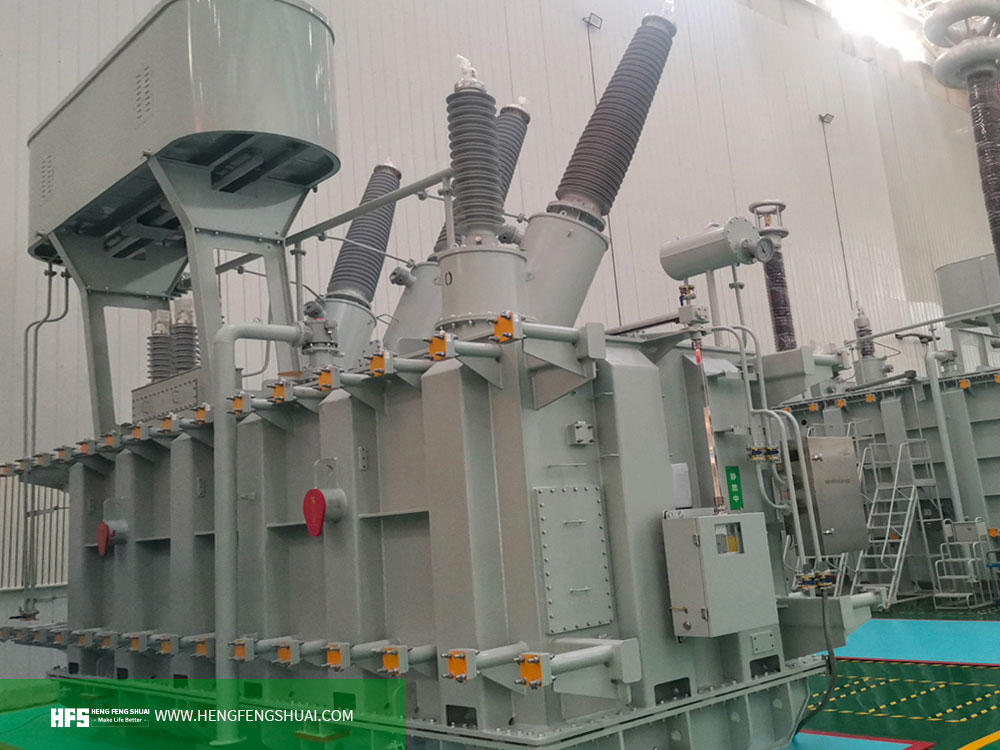
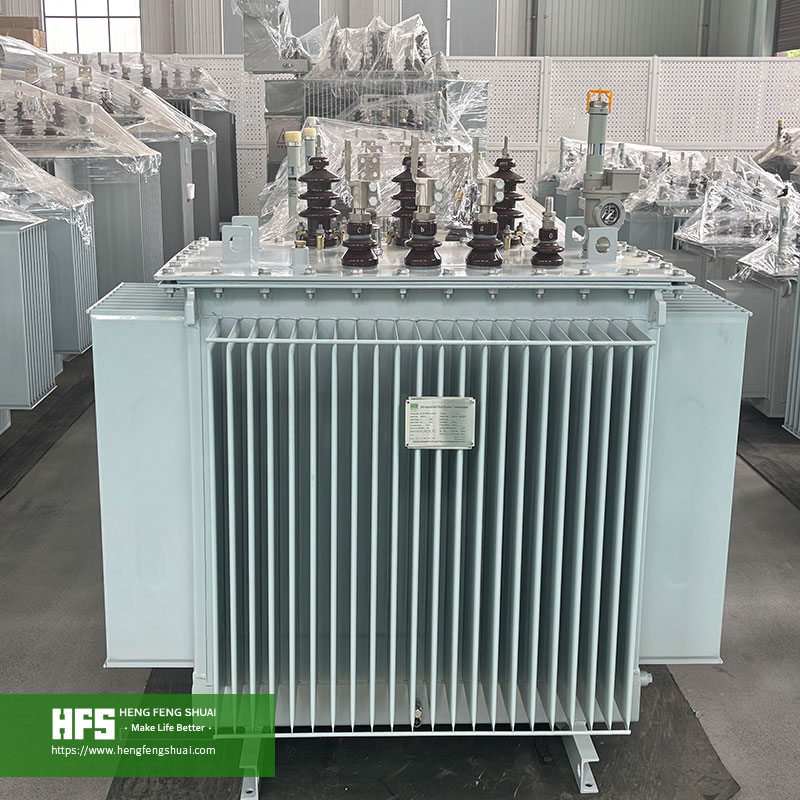
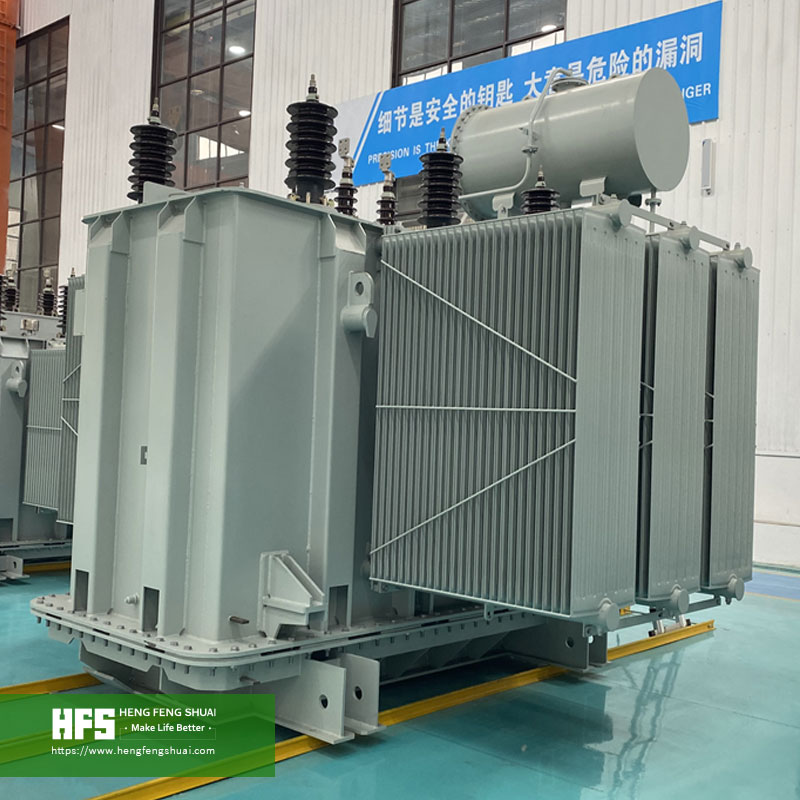
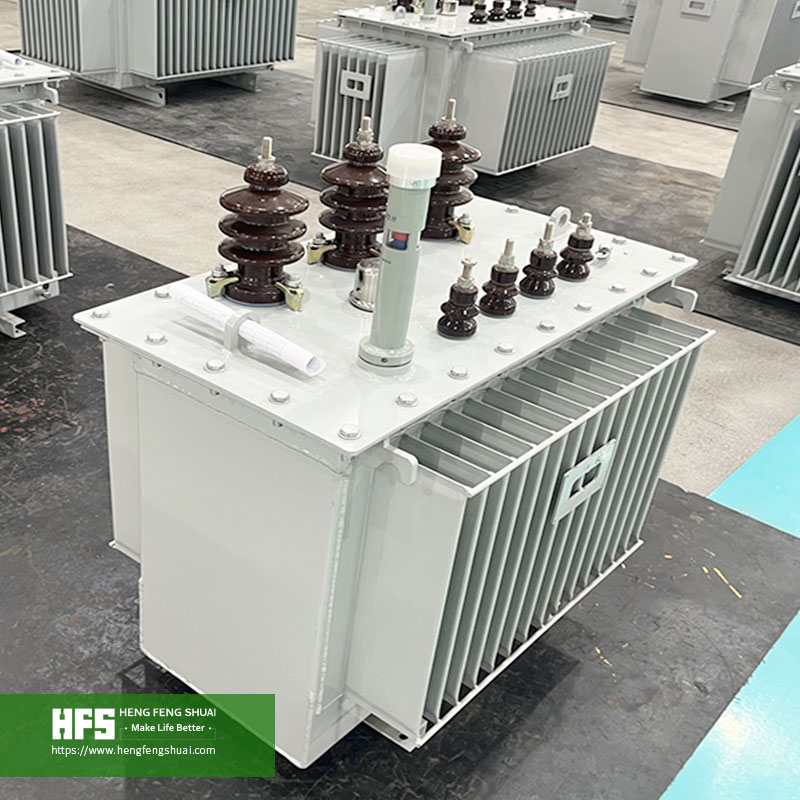
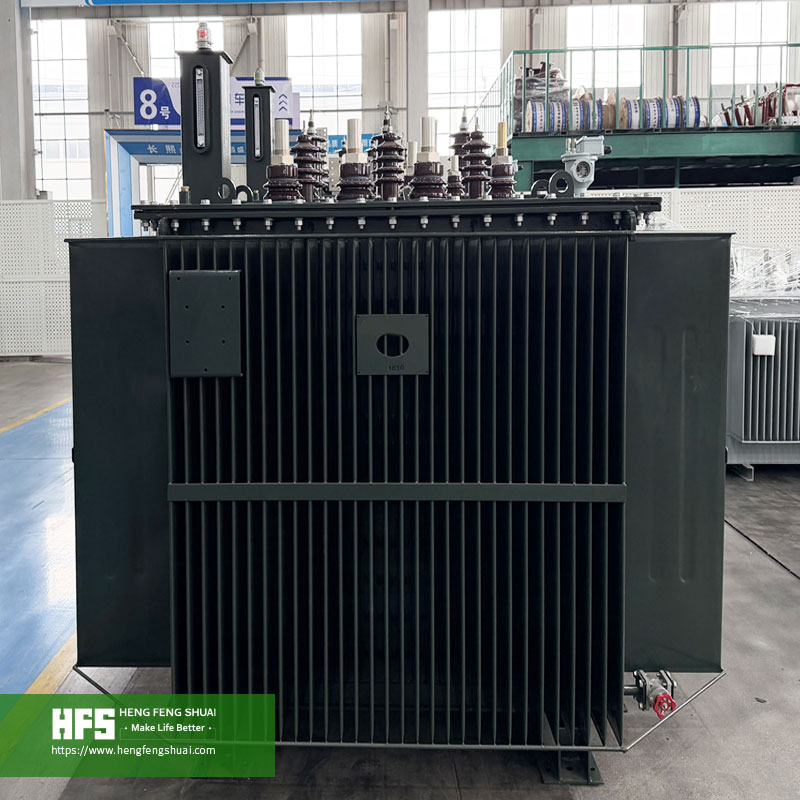
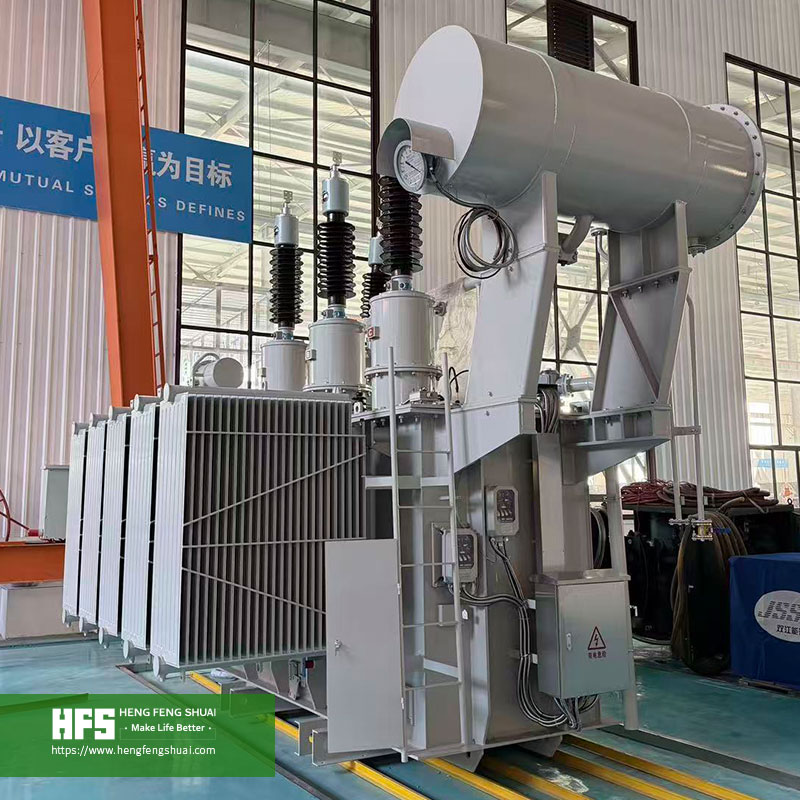
This substation project includes 2 sets of 150MVA-230kV three-phase autotransformers immersed in oil, tailor-made for a new 230kV high-voltage substation in São Paulo, Brazil. The integrated solution addresses six core power supply challenges specific to the region: tropical extreme high temperature and high humidity, heat dissipation degradation at 2,200 m altitude, severe grid voltage fluctuation, outdoor rainforest corrosion, environmental noise reduction, and compatibility with the 60Hz power grid.
Hengfengshuai Electric boasts years of experience delivering high-voltage power transformers exported to South America. All products comply with Brazil’s national standard ABNT NBR 5356, IEC 60076 and ANSI C57 series grid specifications. While the 230kV high-voltage main transformer is exempt from mandatory INMETRO certification, all loss, temperature rise and insulation performance strictly adhere to NBR energy efficiency limits. The unit is fully compatible with the local 60Hz public power grid, featuring 230kV high-voltage incoming lines and 34.5kV medium-voltage distribution output to deliver stable stepped-down power for urban industrial and commercial loads, regional photovoltaic and hydropower grid integration, and regional distribution networks.
1. Six Core Pain Points of the 230kV Substation in São Paulo, Brazil
a. Extreme tropical high temperature: Design benchmark temperature range of 0℃ to +55℃ as specified in NBR 5356, with an average annual temperature of 28℃. Conventional 60Hz transformers suffer sharply increased core loss, excessive winding temperature rise, accelerated insulation aging and insufficient heat dissipation efficiency.
b. Altitude of 2,200 meters: Thin air impairs air cooling performance, leading to overheating tripping under full load for standard models.
c. Severe grid voltage fluctuation: Wide voltage deviation across Brazil’s 230kV power system; off-circuit tap changers fail to stabilize voltage in real time, resulting in excessive voltage offset at terminal loads.
d. Outdoor rainforest environment with high humidity and heavy rainfall: Dew formation from large day-night temperature differences causes tank corrosion and insulation breakdown due to moisture ingress.
e. Severe harmonic interference from new energy sources: Large-scale grid integration of hydropower and photovoltaic power generates high grid harmonic content, triggering false operation of protection and metering devices.
f. Strict local environmental protection regulations: The substation is adjacent to residential areas with stringent noise limits; outdated transformers with excessive noise cannot pass environmental assessment acceptance.
2. Key Technical Parameter Table of 150MVA-230kV/34.5kV Three-Phase Autotransformer
|
Parameter Item |
150MVA-230kV Three-Phase Autotransformer |
Adaptation Description for São Paulo Project, Brazil |
|---|---|---|
|
Rated Capacity |
150MVA |
Dual-unit redundant configuration; single unit can carry 70% of the station’s base load to guarantee uninterrupted power supply |
|
Rated Frequency |
60Hz |
Uniform grid frequency across Brazil. Cores, cooling fans, oil pumps and OLTC motors are all electromagnetically redesigned for 60Hz to avoid overheating and excessive noise arising from retrofitted 50Hz units |
|
Rated Voltage Ratio |
230/34.5kV |
Matches Brazil’s standard 230kV transmission backbone and 34.5kV medium-voltage distribution voltage class |
|
Equipment Type |
Three-phase autotransformer, oil-immersed |
Autotransformer structure delivers lower losses, ideal for large-capacity regional transmission hubs |
|
Tap Changer Mode |
On-load tap changer (OLTC, HUAMING brand) on high voltage side |
Continuous voltage regulation under load; regulation range ±10% of rated voltage with 19 tap positions (1.25% per step) to accommodate wide voltage fluctuations of Brazil’s power grid |
|
Cooling Mode |
ONAN / ONAF (Oil Natural Air Natural / Oil Natural Air Forced) |
Dual-mode heat dissipation for 55℃ extreme high temperature and 2,200 m altitude; forced air cooling automatically activated during high-temperature periods with heat dissipation area enlarged by 20% per NBR standards |
|
Vector Group |
YNa0d11 |
Compliant with ABNT NBR / IEC / ANSI triple standards, suppresses harmonics from photovoltaic and hydropower systems to stabilize metering and relay protection operation |
|
Design Ambient Temperature |
Max. ambient temperature 55℃ (mandatory verification benchmark per NBR 5356), normal operating range 0℃~+45℃ |
Windings, insulation and cooling systems optimized via simulation for 55℃ extreme temperature with sufficient temperature rise margin |
|
Winding Material |
High-purity electrolytic copper winding with enhanced anti-harmonic design (K factor ≥4) |
Low loss and high thermal conductivity; temperature rise under full load at 55℃ is controllable to extend insulation service life, suitable for harmonic-rich new energy grids |
|
Insulation Level (ABNT NBR 5356-3) |
HV 230kV: BIL 1050kV, SIL 850kV, power frequency withstand voltage 395kV/1 minMV 34.5kV: BIL 200kV, power frequency withstand voltage 85kV/1 min |
Withstands frequent lightning and switching overvoltages on Brazil’s power grid |
|
Short-Circuit Impedance |
HV-MV: 14.0% (tolerance ±7.5%) |
Standard impedance for Brazil’s 230kV grid, balancing system stability and short-circuit current limiting capacity; meets dynamic and thermal short-circuit stability requirements of NBR 5356 |
|
Loss Standard (Class 1 Energy Efficiency per NBR 5356, 60Hz @75℃) |
No-load loss P₀ ≤98kW; Load loss Pk ≤620kW; No-load current ≤0.35% In |
No-load and on-site SAT tests recheck all loss limits; units failing parameters are prohibited from grid interconnection acceptance |
|
Noise Level |
≤72dB(A) at 1.5m from tank under full load |
Complies with noise reduction regulations for outdoor power facilities in Brazil, eliminating complaint risks near residential areas |
|
Anti-Corrosion Protection Class |
C5 upgrade for coastal projects; tank enclosure IP65 rated |
Resists high humidity, overnight dew and seasonal heavy rainfall in rainforest; passes 720-hour salt spray and humidity aging tests |
|
Applicable Standards |
Full set of ABNT NBR 5356, NBR 5380, NBR 14441, NR10 high-voltage safety codes, IEC 60076, ANSI C57 series |
Full Portuguese-English bilingual type test and factory test reports for ANEEL grid interconnection review and on-site NR10 safety acceptance in Brazil |
II. Advantages of Customized 150MVA-230kV/34.5kV Three-Phase Autotransformer Solution by Hengfengshuai Electric for Brazil
1. Integrated Delivery of Two Units to Cut Overall Substation Investment and Operation & Maintenance Costs
Traditional projects purchase large-capacity transformers separately in batches, leading to repeated investment in drawing design, production scheduling, ocean freight customs clearance and on-site civil matching, plus incompatible spare parts. This project adopts unified drawings for two units, synchronized production and full-vessel ocean shipping directly to São Paulo Port:
Dual-unit capacity redundancy eliminates extra civil foundation reserved for standby transformers, reducing substation land acquisition and civil engineering expenses;
Fully interchangeable cooling systems, 60Hz OLTC tap changers, bushings and temperature monitoring modules, cutting spare parts inventory by 50%;
Mass production lowers unit manufacturing costs, delivering a 16% reduction in overall substation equipment investment compared with scattered separate procurement;
Unified full set of NBR standard qualifications and bilingual technical documents to complete one-time grid filing with Brazil’s power authority.
2. ±10% Wide-Range OLTC On-Load Voltage Regulation + YNa0d11 Vector Group to Address Severe Load Fluctuations of Brazil’s Power Grid
Power output of hydropower and photovoltaic plants in Brazil varies drastically by season and day-night cycle, causing wide voltage swings on the 230kV backbone grid. Conventional ±8% regulation ranges fail to cover such fluctuations, and off-circuit tap changers require power shutdown for tap adjustment, easily triggering excessive voltage deviation in distribution networks and shutdown of industrial and commercial equipment.
a. OLTC on-load tap changers with ±10% regulation range and 19 fine-tuning positions enable continuous voltage stabilization without power outage, restricting voltage offset of 34.5kV medium-voltage output within ±3%;
b. YNa0d11 standard vector group plus K-factor enhanced windings significantly filter harmonic distortion from photovoltaic inverters to prevent false tripping of relay protection and metering instruments;
c. Standard 14.0% short-circuit impedance matches short-circuit current limits of Brazil’s 230kV grid, with 2-second short-circuit withstand capability compliant with dynamic and thermal stability criteria of NBR 5356.
3. Dedicated 60Hz Electromagnetic Design + ONAN/ONAF Composite Cooling + High-Purity Copper Windings for 2,200 m Altitude and 55℃ Extreme High Temperature
The São Paulo site sits at 2,200 m altitude with thin air reducing cooling efficiency, compounded by a 55℃ maximum design temperature. Conventional 50Hz transformers feature excessively high core flux density, surging no-load loss and overheating alarms under full load: a. Full-unit electromagnetic simulation customized for 60Hz lowers core magnetic flux density to eliminate overheating and excessive noise defects from retrofitting 50Hz units; all cooling fans, oil pumps and temperature controller motors are rated 60Hz/380V three-phase; b. Windings adopt high-purity electrolytic copper with high thermal conductivity and low load loss, cutting winding hot-spot temperature by 12K under identical load; temperature rise limits verified per NBR 5356: top oil temperature rise ≤50K, average winding temperature rise ≤60K; c. Matching ONAN/ONAF dual-mode cooling system with 20% enlarged heat dissipation area; temperature controllers monitor oil temperature in real time and automatically activate forced air cooling at high temperatures to compensate for heat dissipation attenuation at high altitude; d. Filled with high-temperature antioxidant mineral insulating oil complying with NBR 14441; natural ester eco-friendly oil optional for new energy projects to avoid sludge formation and stable insulation strength under long-term high-temperature operation; e. Widened internal oil ducts and increased insulation margin allow continuous full-load long-term operation under 55℃ extreme ambient temperature and 2,200 m altitude without overheating tripping risks.
4. IP65 Fully Sealed Outdoor C5 Anti-Corrosion Structure to Resist Corrosion from High Humidity, Heavy Rain and Dew in Rainforest
Long rainy seasons and persistently high air humidity in São Paulo, Brazil, easily cause tank rust, sealing water seepage and internal insulation moisture failure for outdoor equipment: a. Tanks and radiators fabricated from high-strength anti-corrosion steel plates with sandblasting, epoxy zinc-rich primer and weather-resistant polyurethane topcoat dual anti-corrosion coating system, passing 720-hour high-temperature humidity aging and neutral salt spray simulation tests for Brazil; C5 heavy anti-corrosion system upgraded for coastal projects; b. Full-unit IP65 all-weather protection; multi-layer fluororubber sealing structure for flanges and bushing bases blocks rainstorm and forest moisture from penetrating the tank; c. Diaphragm sealed oil conservator plus large-capacity moisture-proof breather isolates water vapor from air to prevent insulation oil breakdown due to moisture ingress, drastically reducing annual oil filtering maintenance frequency; all bushings equipped with Class III anti-pollution external insulation for 230kV power systems.
5. Optimized Low-Noise Unit Design to Meet Strict Environmental Control Requirements in Brazil
Stringent noise supervision applies to suburban substations in Brazil; units with excessive noise fail environmental assessment acceptance: a. Cores adopt high-permeability low-loss grain-oriented silicon steel sheets with optimized joint damping structure to reduce 60Hz magnetostrictive vibration noise; b. Radiators and 60Hz cooling fans fitted with shock-absorbing buffer bases; fans driven by low-noise variable frequency drives; c. Factory-tested unit noise ≤72dB(A), fully complying with noise reduction codes for outdoor power facilities in Brazil, eliminating the need for additional noise barrier walls and saving civil noise reduction investment.
6. Full ABNT NBR Compliant Insulation System Compatible with IEC & ANSI to Meet NR10 Safety Codes of Brazil
All insulation structures, impulse withstand voltage and loss tests strictly align with Brazil’s national standard ABNT NBR 5356 while remaining compatible with IEC 60076 and ANSI C57; on-site installation, earthing and safety clearances fully comply with mandatory NR10 codes issued by the Ministry of Labor: a. 230kV high-voltage bushings and winding insulation customized for local BIL/SIL impulse insulation levels to withstand frequent lightning overvoltages in South America; b. Dual earthing terminals fitted on tanks with matched earthing design meeting NR10 requirement of earthing resistance ≤0.5Ω; c. Complete set of 60Hz electrical control components including Buchholz relays, pressure relief valves, fiber-optic winding temperature sensors and PT100 oil temperature sensors; temperature control panels with Portuguese operation interface; d. Full factory FAT and type test certificates issued in Portuguese and English, directly submitted to ANEEL power grid and supervision institutions for grid interconnection review.
III. Benchmark Reference Cases of 230kV Substation Power Transformers Deployed in South America
Case 1: 230kV Urban Hub Substation Expansion Project, Minas Gerais, Brazil
Two sets of 125MVA same-series 60Hz autotransformers deployed for a site at 1,100 m altitude with max design ambient temperature of 52℃. Original imported 60Hz transformers suffered three major defects: overload tripping under high temperature, excessive noise and severe voltage fluctuation. Post-retrofit performance improvements: a. Stable oil temperature without overheating alarms under continuous full-load dual-unit operation at 52℃ extreme high temperature; b. Real-time voltage regulation via ±10% OLTC limits voltage fluctuation of 34.5kV busbars within ±2.5%, cutting industrial and commercial customer complaints by 90%; c. Unit noise controlled at 70dB(A) for one-time pass of local environmental assessment; annual equipment maintenance frequency reduced by 65% with sharply lower operation & maintenance costs.
Case 2: 230kV Step-Up Substation Supporting Rainforest Photovoltaic Power Plant, Paraná, Brazil
The site operates under high humidity and coastal salt spray conditions with severe harmonic interference from new energy grid integration. The YNa0d11 vector group plus K-factor enhanced windings of this solution effectively suppress photovoltaic harmonics. Two sets of 80MVA 60Hz transformers run 7×24 hours year-round without false protection tripping or insulation moisture failures, serving as a standardized retrofitting demonstration model for new energy substations in southern Brazil.
Case 3: 230kV Step-Down Substation for Industrial & Commercial Park in Suburban São Paulo, Brazil
Adjacent to residential areas with strict 55℃ high-temperature design, environmental and heat dissipation requirements. After commissioning, the complete equipment operates stably under high altitude and high temperature without noise barrier construction, free of tank water seepage and rust during rainy seasons, and was selected as the preferred high-voltage transformer supplier by local power EPC contractors for the year.
IV. Custom R&D & Factory FAT Testing for 150MVA-230/34.5kV Three-Phase Autotransformer for São Paulo Substation, Brazil
1. Specialized Custom R&D Process
The technical team conducts multiple rounds of electromagnetic, thermal and overvoltage simulations based on site conditions of São Paulo: 2,200 m altitude, 0~55℃ high temperature, rainforest high humidity, 60Hz power grid and ABNT NBR standards: a. Dedicated 60Hz core electromagnetic optimization to adjust magnetic flux density and calculate temperature rise margin at 55℃ ambient temperature; b. Increased external insulation creepage distance of bushings and upgraded high-temperature moisture-resistant Class A insulation materials; c. Design of ±10% 19-position OLTC regulation circuit matching 14.0% standard short-circuit impedance of Brazil’s 230kV grid; d. Mass production initiated after confirming NBR loss standards, ocean freight packaging dimensions and C5 anti-corrosion protection scheme.
2. Full Set of Factory FAT Testing (Portuguese-English Bilingual Test Reports Issued, All Tests Executed per NBR 5380)
Each transformer undergoes routine tests complying with NBR+IEC+ANSI triple standards plus special simulation tests for local Brazilian operating conditions; units failing loss or temperature rise tests are prohibited from ocean shipment: a. Basic routine tests: DC resistance, transformation ratio & vector group, 60Hz no-load loss, load loss, short-circuit impedance, power frequency withstand voltage, lightning impulse BIL, switching impulse SIL, full-stroke OLTC tap changer verification, CT/PT accuracy testing; b. High-temperature & high-altitude simulation tests: 55℃ ambient temperature rise test, heat dissipation correction simulation for 2,200 m altitude, 24-hour continuous full-load temperature rise monitoring; c. Environmental durability special tests: 720-hour high-temperature humidity aging, neutral salt spray anti-corrosion test, IP65 rainproof protection verification; d. Safety dynamic & thermal stability tests: 2-second sudden short-circuit dynamic and thermal impulse testing to verify winding and tank resistance to fault impacts; e. Auxiliary system tests: 60Hz cooling fan/oil pump linkage, Portuguese temperature control logic, Buchholz trip and overtemperature protection full linkage testing.
V. SAT Delivery & Localized Operation & Maintenance Service for 150MVA-230/34.5kV Three-Phase Autotransformer
1. Cross-Border Ocean Freight Delivery Solution (Direct Shipment to São Paulo Port, Brazil)
Equipment packaged with nitrogen-sealed anti-rust separate components; tanks, 230kV bushings and OLTC tap changers individually protected against moisture. Shipped via ocean containers; NBR standard technical documents, Portuguese drawings and test reports sorted in advance for Brazilian customs clearance. Overweight oversized equipment matched with port hoisting and inland heavy-load transportation permits. Full-process temperature & humidity recorders monitor moisture and high-temperature protection. Two units scheduled for synchronized production and shipment. Standard production cycle: 75 days; ocean transit: 35 days; total delivery lead time to São Paulo site: 125 days. Production scheduling can be flexibly adjusted to match substation construction progress.
2. Standardized On-Site SAT Installation & Commissioning
a. Tripartite joint unpacking inspection: Owners, local Brazilian power supervisors and our South America-based resident engineers jointly verify appearance and sealing integrity of tanks, bushings and tap changers; b. On-site moisture & anti-corrosion reinforcement: Replace imported moisture-resistant sealing adhesive and complete full-station earthing system to meet NR10 earthing safety codes; c. On-site electrical re-inspection: Insulation resistance, transformation ratio, tap changer operation, loss sampling re-testing and full-function verification of temperature control protection linkage; issue Portuguese on-site test records recognized by ANEEL power authority of Brazil; d. 48-hour no-load trial operation, graded load connection to 230kV grid for smooth full-station power transmission and commissioning.
3. Localized Operation & Maintenance Support in Brazil
a. Full set of Portuguese-English bilingual drawings, FAT factory test reports, NBR/ANSI qualification certificates, substation-specific operation & maintenance manuals and operation procedures for 55℃ high-temperature operating conditions delivered together with equipment; b. Free offline practical training covering transformer high-temperature inspection, ±10% OLTC tap changer maintenance, oil sample DGA testing, 60Hz temperature control fault troubleshooting and operation precautions under high altitude & high temperature conditions; c. Local spare parts warehouse in South America; standard spare parts including 60Hz OLTC switches, cooling fans, oil pumps, temperature controllers and sealing fittings delivered to São Paulo and surrounding sites within 10 days to shorten equipment downtime; d. 24-month full-unit warranty, lifetime remote technical support, and resident high-voltage electrical engineers in South America available for on-site inspection and emergency repair.
VI. FAQ for 150MVA-230/34.5kV Three-Phase Autotransformer for São Paulo Substation, Brazil
Q: Will the 60Hz equipment face overheating risks under full load at 2,200 m altitude plus 55℃ extreme high temperature? A: This unit adopts dedicated 60Hz electromagnetic design, ONAN/ONAF composite cooling system and high-purity copper low-loss windings. It passes 55℃ high-temperature simulation and altitude heat dissipation correction simulation plus full-duration temperature rise testing at factory, enabling long-term stable full-load operation under the site’s extreme working conditions. Multi-stage oil temperature and fiber-optic winding temperature monitoring with multi-level temperature control protection are integrated, featuring staged fan activation, overtemperature alarm and high-temperature trip functions to eliminate overheating shutdown risks.
Q: Can the equipment fully pass ANEEL grid interconnection and NR10 on-site acceptance in Brazil? A: Full set of type test and factory inspection reports strictly comply with ABNT NBR 5356 and NBR 5380, while compatible with ANSI C57 and IEC 60076. All documents issued in Portuguese and English; earthing, safety clearances and protection structures meet NR10 high-voltage safety codes, directly applicable for substation bidding, grid filing and on-site supervision acceptance in Brazil. While 230kV high-voltage main transformers are exempt from INMETRO certification, loss and temperature rise indicators fully comply with local Brazilian energy efficiency standards.
Q: What is the overall delivery cycle for the complete set of two 150MVA units? A: Custom factory production takes 40 days, ocean freight takes 28~35 days, totaling approximately 75 days to arrive at São Paulo Port. Expedited delivery solutions available upon request to align with project construction milestones.
Q: Is the unit compatible with grid integration of photovoltaic and hydropower new energy plants across Brazil? A: The YNa0d11 vector group plus K≥4 anti-harmonic windings deliver excellent harmonic suppression capability. The ±10% wide-range OLTC on-load voltage regulation addresses drastic output fluctuations of photovoltaic power across day-night cycles and hydropower across seasons. The 14.0% standard short-circuit impedance matches Brazil’s 230kV new energy grid integration system, with numerous identical models deployed in photovoltaic and hydropower step-up stations across southern Brazil.
VII. Solution Summary & Cooperation Inquiry for 150MVA-230/34.5kV Three-Phase Autotransformer for São Paulo Substation, Brazil
This complete package of two 150MVA/230kV three-phase oil-immersed autotransformers fully satisfies power supply demands of São Paulo’s 230kV transmission hub, industrial & commercial distribution networks and new energy grid integration scenarios in Brazil. Supported by six core customized designs – dedicated 60Hz electromagnetic design, ±10% OLTC wide-range voltage regulation, enhanced composite cooling for 55℃ high temperature, high-purity copper anti-harmonic windings, C5 all-weather anti-corrosion sealing and full ABNT NBR compliant insulation system – the integrated solution addresses seven major industry pain points: high temperature at high altitude, rainforest high humidity, 60Hz grid compatibility, severe voltage fluctuation, new energy harmonics, environmental noise reduction and grid access compliance.
Hengfengshuai Electric (hfs@hengfengshuai.com) possesses full expertise in ABNT NBR, NR10 and ANEEL high-voltage power equipment grid interconnection codes of Brazil. Customized oil-immersed power transformers of all capacities covering 230kV/138kV/69kV voltage classes are available for new-build and expansion power transmission & transformation EPC projects across South American countries. Brazilian local power groups, international EPC contractors and South American foreign trade suppliers are welcome to obtain detailed technical quotations, full Portuguese qualification documents and NBR standard type test reports.
Qingdao Hengfengshuai Electric Co., Ltd
WhatsApp: +86 152 6625 8801
Address: No. 251, Xingyang Road, Chengyang District, Qingdao, Shandong
Email: hfs@hengfengshuai.com
Customer service email: service@hengfengshuai.com
website:https://www.hengfengshuai.com