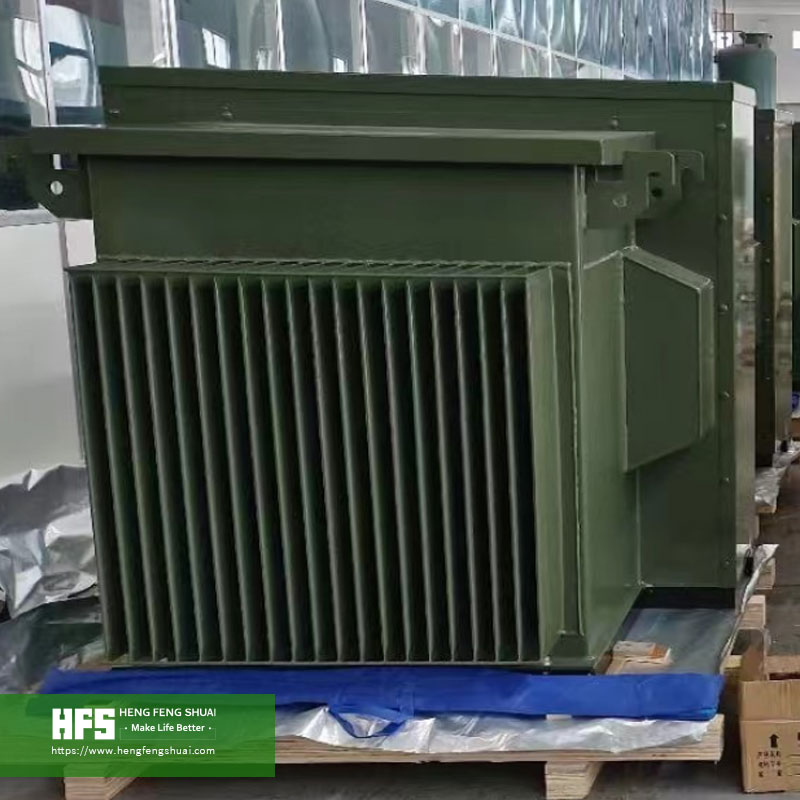
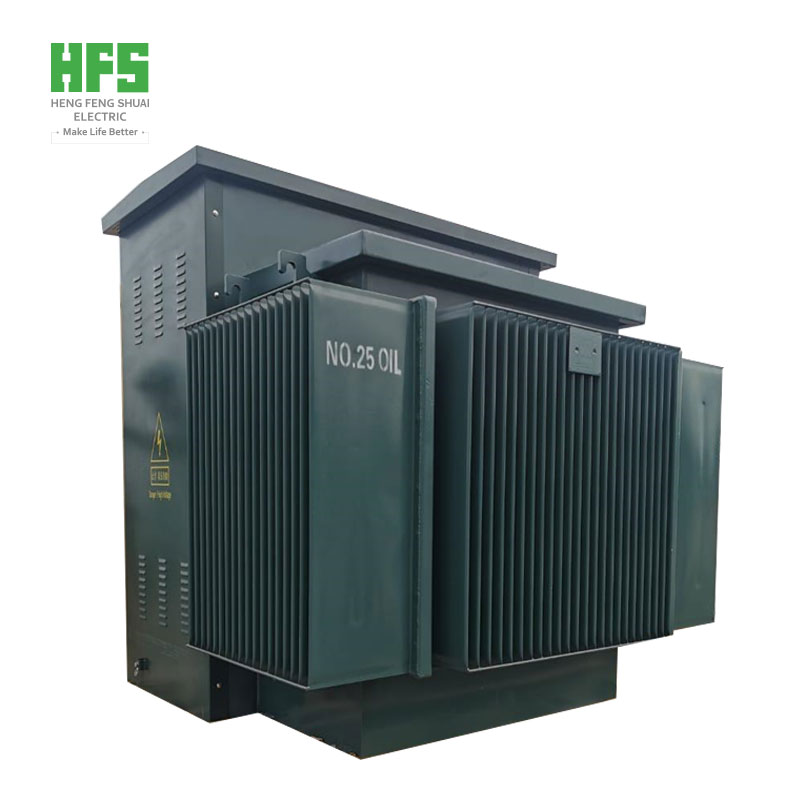
I. Differences Between Oil‑Immersed and Dry‑Type Transformers
Practical Problems Faced in Project Selection
Oil‑immersed transformers and epoxy resin cast dry‑type transformers are the two most widely used power transformation devices in global power distribution engineering projects. Many procurement personnel take the purchase price as the primary selection criterion, ignoring fire‑protection codes, installation environments, operation‑maintenance conditions and local mandatory standards. Consequently, delivered equipment fails acceptance checks, frequent faults occur in later operation, and the full‑life‑cycle comprehensive cost far exceeds the budget.
Overseas projects commonly encounter two typical problems: some open‑pit mining projects blindly adopt dry‑type transformers, driving up equipment procurement costs substantially; some basement and densely‑populated‑building projects adopt oil‑immersed transformers. Restricted by local fire‑protection regulations, accident oil‑containment pools and firewalls have to be additionally constructed, which sharply increases civil‑engineering modification costs or even renders commissioning impossible.
Tip from Hengfengshuai Electric Technical Engineer (lyra@hengfengyou.com): No transformer type is absolutely superior; only products matching project working conditions should be selected. Their core difference lies in insulation and cooling media: oil‑immersed transformers rely on transformer oil for insulation and heat dissipation; dry‑type transformers use air plus solid epoxy resin for insulation and heat dissipation. This core difference gives rise to all gaps in safety, maintenance, cost and applicable scenarios.
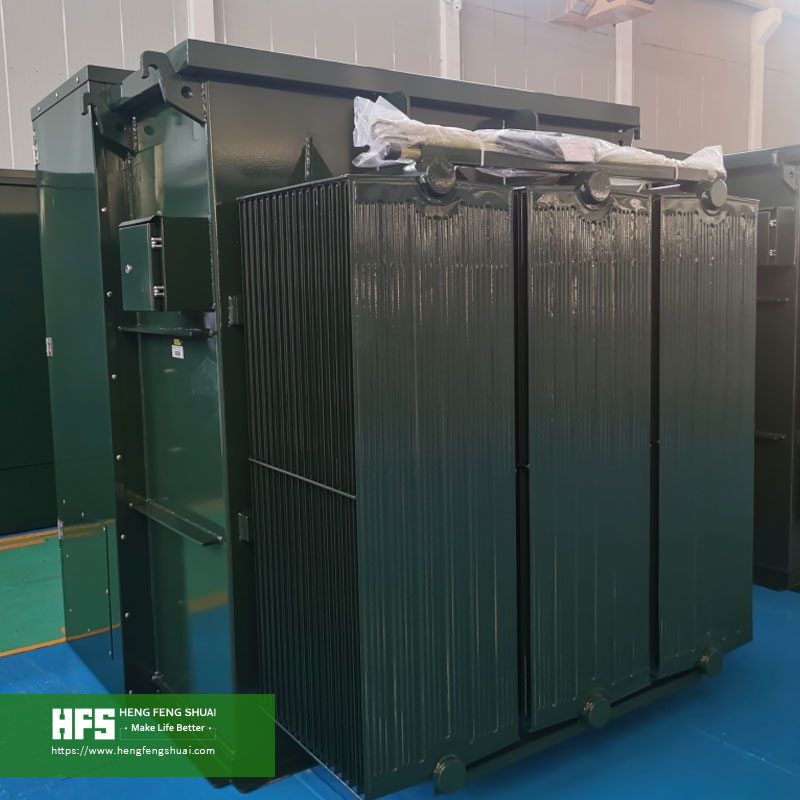
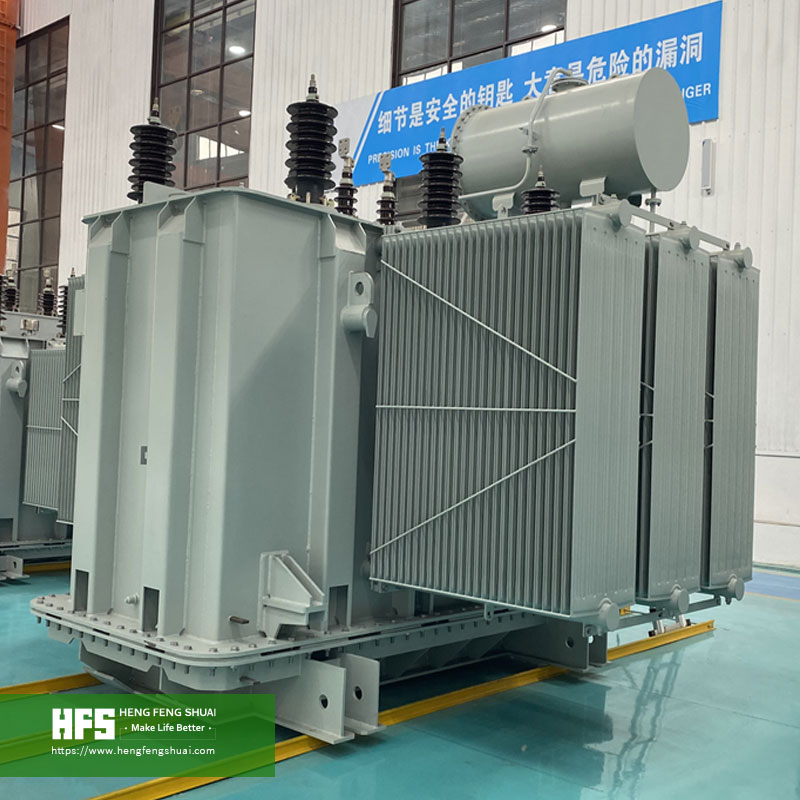
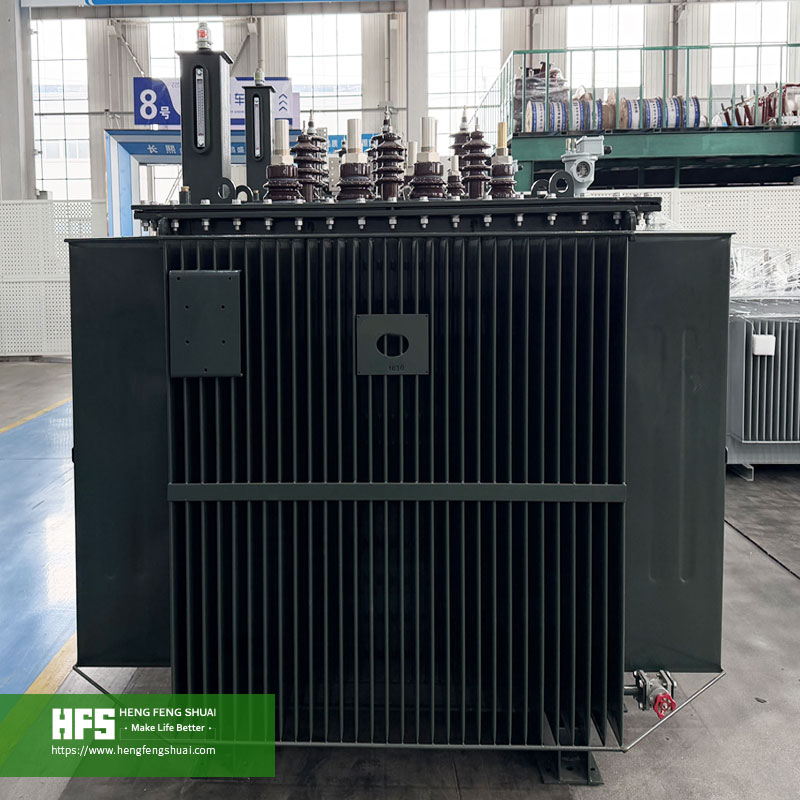
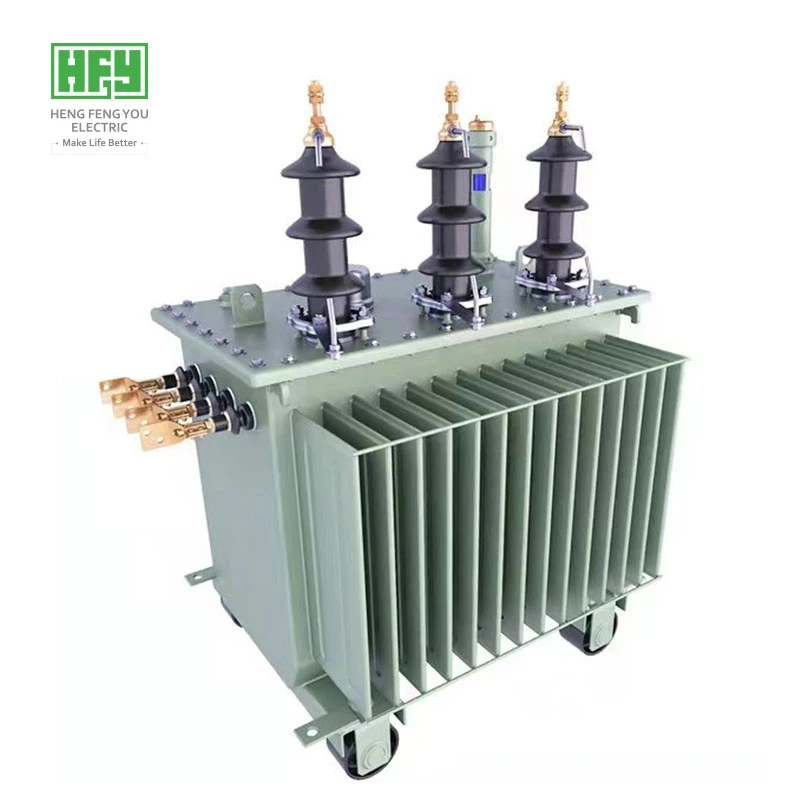
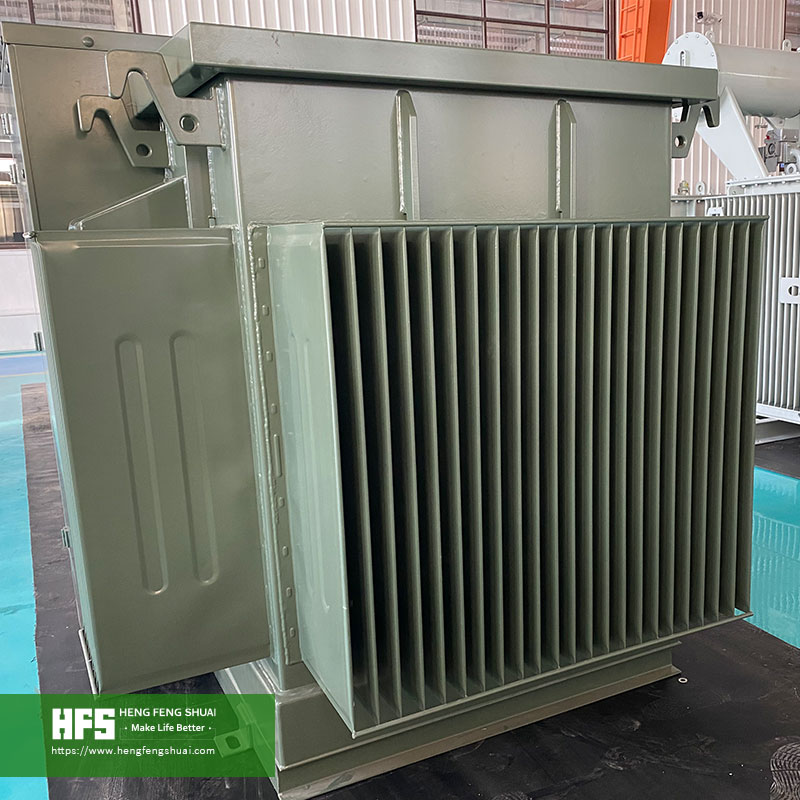
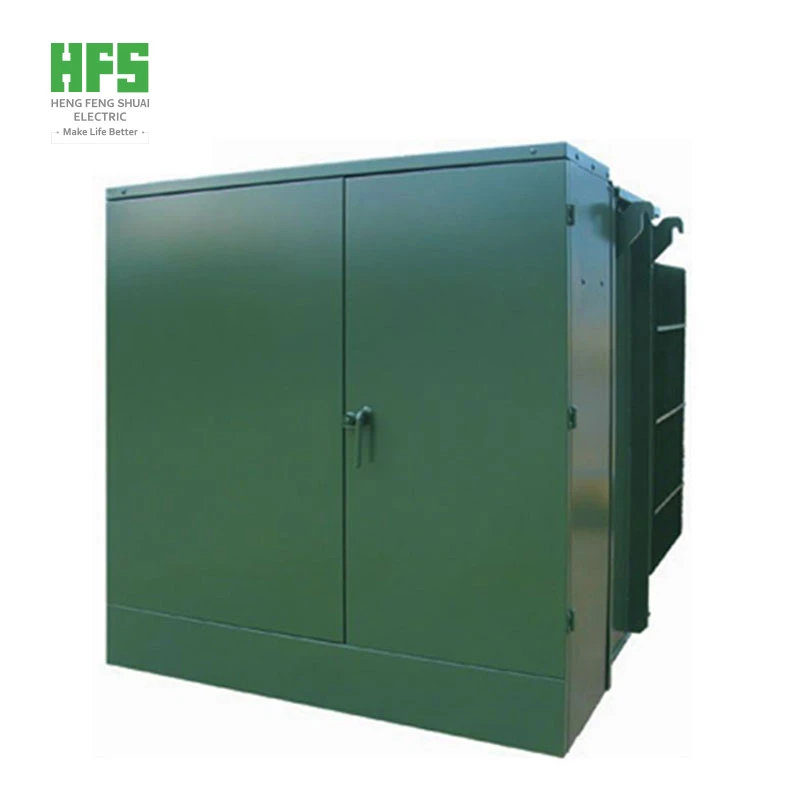
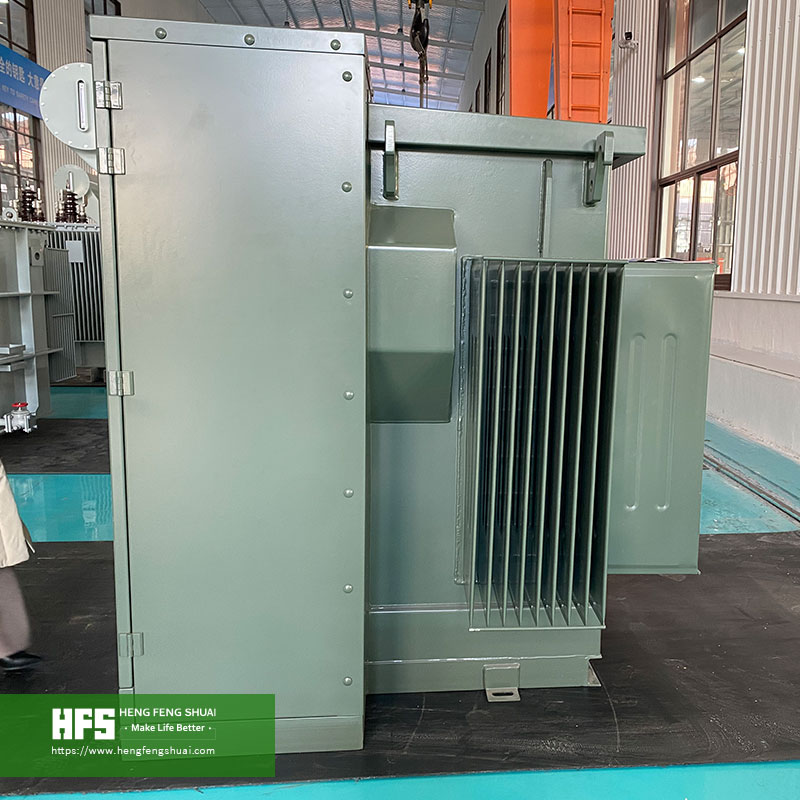
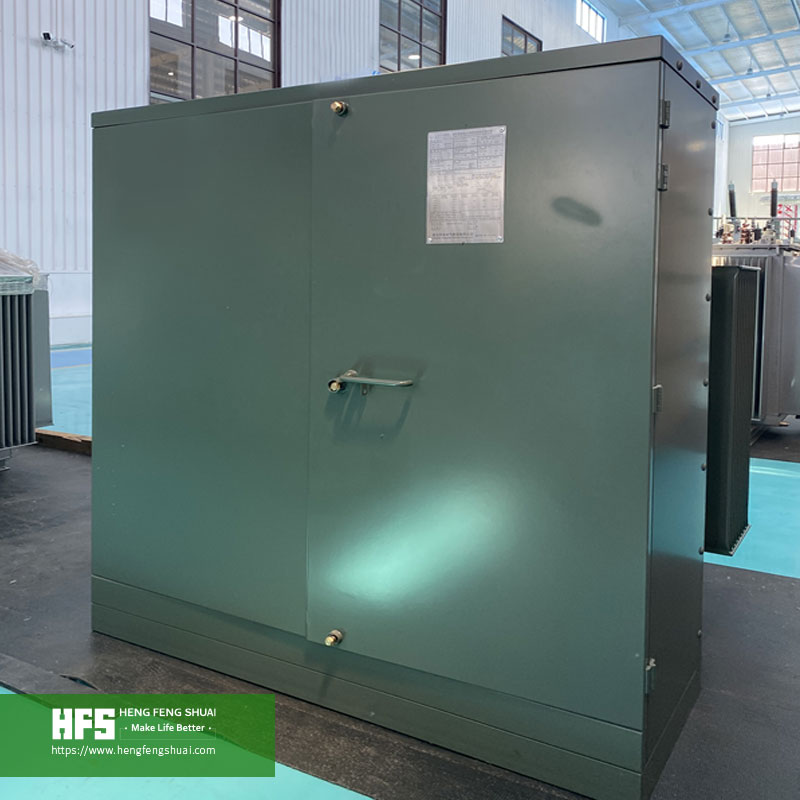
Oil‑immersed transformers: Widely applied in outdoor substations, open‑pit mining sites, ground‑mounted photovoltaic power stations and large‑capacity industrial projects.
Dry‑type transformers: Mostly deployed in indoor power distribution rooms, underground machine rooms, data centers, hospitals, commercial complexes and other densely‑occupied premises.
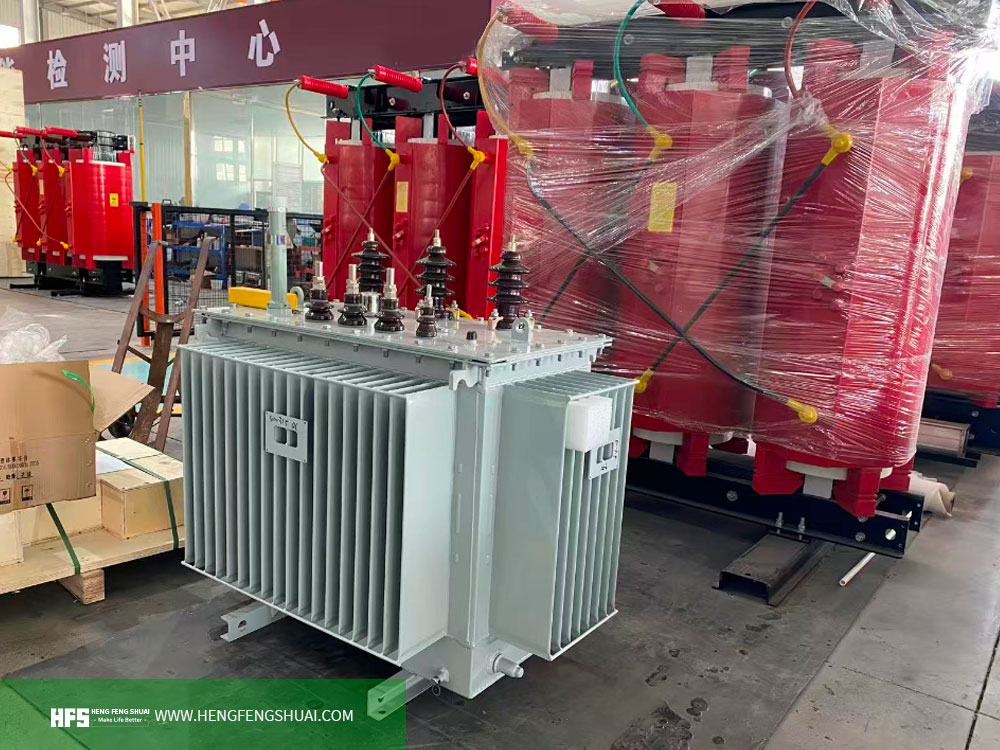
II. Key Selection Factors for Oil‑Immersed and Dry‑Type Transformers
Before confirming the transformer type, the project team must verify the following key technical conditions item‑by‑item, as these factors directly determine the proper product.
Installation location and fire‑protection regulations If equipment is placed indoors, in underground confined spaces or densely‑populated buildings, fire‑protection codes in most overseas regions impose restrictions on oil‑filled electrical equipment, so dry‑type transformers are preferred. For equipment installed in open‑air outdoor areas or independent power‑distribution buildings without strict indoor fire‑protection constraints, oil‑immersed transformers deliver a more economical solution.
Load characteristics and overload requirements With transformer oil as the heat‑dissipation medium, oil‑immersed transformers feature stronger short‑term overload tolerance and suit scenarios with heavy impact loads and continuous heavy‑duty operation. Dry‑type transformers have limited overload capacity; long‑time overload accelerates aging of epoxy‑resin insulation, so load factor must be strictly controlled.
On‑site operation‑maintenance conditions For remote overseas mining zones and construction sites lacking professional staff for oil testing and oil‑liquid treatment, dry‑type transformers eliminate maintenance work such as oil‑quality testing, oil filtering and oil replacement. Oil‑immersed transformers can operate stably for long periods where on‑site electrical operation‑maintenance teams are available.
Climate and environmental working conditions The tank body of oil‑immersed transformers naturally adapts to open‑air environments featuring high temperature, large diurnal temperature difference and sand‑dust. If dry‑type transformers are used outdoors, enclosures with high protection ratings must be fitted, which pushes procurement costs notably higher. In high‑humidity and salt‑fog environments, windings of dry‑type transformers are prone to dust accumulation and condensation, calling for enhanced protection design.
Full‑life‑cycle project cost Do not merely compare ex‑works prices. Calculate the total full‑life‑cycle cost by integrating equipment procurement expenditure, civil‑engineering & fire‑retrofit costs, annual energy losses and later‑stage maintenance expenses.
III. Technical Specifications of Oil‑Immersed and Dry‑Type Transformers: Parameters, Standards and Comparison
Oil‑immersed transformers comply with IEC 60076‑1; dry‑type transformers follow IEC 60076‑11. For explosion‑proof working conditions, the IEC 60079 explosion‑proof series standards shall be additionally applied. The table below presents a direct comparison of core technical indicators for the two transformer types.
| Comparison Item |
Oil‑Immersed Transformer |
Dry‑Type (Epoxy‑Resin Cast) Transformer |
| Insulation & Cooling Medium |
Mineral / synthetic transformer oil |
Air + solid epoxy‑resin insulation |
| Fire‑Safety Properties |
Combustible insulating oil; fire‑retardant isolation and accident oil‑containment pool required |
No combustible oil; flame‑retardant and fire‑resistant; F1 fire‑safety class |
| Typical Application Scenarios |
Outdoor substations, open‑pit mining yards, ground‑mounted photovoltaic power stations, large‑capacity industrial projects |
Indoor power‑distribution rooms, underground machine rooms, data centers, densely‑populated buildings |
| Procurement Cost at Equal Capacity |
Relatively low |
25%‑50% higher |
| Outdoor Compatibility |
Tank inherently adapted to open‑air conditions |
Enclosure of IP54 or higher protection class is mandatory, increasing cost |
| Overload Performance |
Excellent; large short‑term overload permitted |
Limited overload margin; long‑term overload operation prohibited |
| Routine Maintenance |
Oil‑level inspection, DGA chromatographic analysis of oil quality, seal‑leakage inspection |
Winding dust cleaning, maintenance of cooling fans and temperature‑control devices; no oil‑related maintenance |
| Noise Performance |
Oil provides damping, resulting in lower operating noise |
Slightly higher noise at equal capacity; noise‑reduction solutions are optional |
| Voltage & Capacity Upper Limits |
Supports high‑voltage and extra‑large‑capacity grades |
Mostly for medium‑and‑low‑voltage distribution grades; very high cost for large‑capacity units |
Practical Selection Procedure
- Clarify equipment installation location: open‑air outdoor / enclosed indoor power‑distribution room / underground machine room
- Refer to local fire‑protection codes of the host country and verify restrictions for oil‑filled electrical equipment
- Characterize load profiles and identify frequent impact or short‑term overload conditions
- Evaluate capacity of local operation‑maintenance teams to perform transformer‑oil‑related testing and maintenance
- Assess full‑life‑cycle cost by synthesizing procurement, civil‑engineering, energy‑loss and maintenance costs
- Confirm market‑access certifications for target countries: CE, EAC, ANSI, etc.
-
Hengfengshuai Electric’s oil‑immersed and dry‑type transformers can complete type tests in full compliance with IEC standards. Complete test reports are available to support preparation of certification documents for overseas projects.
IV. Practical Engineering Considerations
Many projects pass technical‑parameter checks yet encounter problems after commissioning, mostly stemming from overlooked engineering details.
Dry‑type transformers shall not be installed bare‑outdoors directly Ordinary dry‑type transformers only reach IP20 protection rating and are intended for clean indoor environments only. If dry‑type transformers must be deployed outdoors as a project requirement, ventilated protective enclosures plus anti‑condensation heaters shall be equipped; otherwise high‑humidity and dusty conditions cause winding creepage and accelerated insulation aging.
Hidden costs for indoor‑deployed oil‑immersed transformers Even if oil‑immersed transformers are required indoors, most overseas codes mandate firewalls, accident oil‑containment pools and oil‑drain pipelines. Civil‑engineering investment is substantial, and the overall total cost often exceeds direct procurement of dry‑type transformers. This shall be evaluated at the preliminary‑scheme stage.
Attach importance to long‑term electricity‑cost caused by energy losses Some customers only compare unit equipment prices and ignore no‑load loss and load loss. Transformers operate continuously year‑round. Cumulative electricity‑cost from losses over several years may even surpass the price gap of the equipment itself. When selecting products, request measured loss data from manufacturers instead of relying solely on promotional parameters.
Special handling for harmonic‑rich loads Where projects feature large quantities of non‑linear harmonic loads such as frequency converters and UPS systems, derating or K‑class harmonic‑resistant transformers shall be adopted for both oil‑immersed and dry‑type solutions to avoid abnormal overheating faults.
V. Common Selection Misconceptions
Myth 1: Dry‑type transformers outperform oil‑immersed transformers in all aspects Correction: Dry‑type transformers excel in fire‑safety and freedom from oil‑related maintenance. For large‑capacity, outdoor and continuous heavy‑duty working conditions, oil‑immersed transformers deliver higher comprehensive cost‑performance. Neither type is universally superior.
Myth 2: Compare only equipment purchase price and ignore civil‑engineering, loss and maintenance costs Correction: Civil‑engineering fire‑retrofit costs for indoor oil‑immersed‑transformer installations erase equipment‑price advantages. Outdoor dry‑type‑transformer deployment incurs extra enclosure expenditure. Total comprehensive cost shall be calculated.
Myth 3: Dry‑type transformers can be directly placed in open‑air sites Correction: Standard dry‑type transformers cannot be used outdoors directly. High‑protection‑grade enclosures and dehumidification accessories are compulsory, a budget item frequently omitted by procurement staff.
Myth 4: Oil‑immersed transformers cannot be used in any indoor scenario Correction: Certain specially‑constructed independent fire‑segregated power‑distribution buildings permit oil‑immersed transformers, provided full fire‑protection and civil‑engineering requirements are satisfied. Compliance shall be subject to official local codes.
VI. FAQ
Q1: Should oil‑immersed or dry‑type transformers be selected for ground‑mounted photovoltaic power stations? A: For most open‑air ground‑mounted photovoltaic projects, oil‑immersed transformers are preferred. Dry‑type transformers are selected only for installation inside inverter machine rooms.
Q2: Is it mandatory to build an accident oil‑containment pool for oil‑immersed transformers? A: This depends on installation location and fire‑protection codes of the host country. Requirements are generally lenient for independently‑arranged open‑air installations. For indoor and basement installations, oil‑containment facilities are mostly mandatory.
Q3: What is the design service life of the two transformer types? A: Under standardized operating conditions with proper maintenance, both types feature a design service life of 20‑30 years. The service life of oil‑immersed transformers can be extended via oil filtering and oil replacement. Repair work is far more difficult for dry‑type transformers once insulation suffers moisture‑induced aging.
Q4: How to select transformers for overseas underground mining projects? A: Fire‑safety takes top priority in confined underground personnel‑occupied spaces. Special mine‑rated dry‑type transformers complying with the IEC 60079 explosion‑proof series standards shall be prioritized.
If you require scheme evaluation, parameter verification or project quotations for oil‑immersed and dry‑type transformers, please contact technical engineers from Hengfengshuai Electric for customized technical proposals. Email: lyra@hengfengyou.com WhatsApp: +8615122242521
Hengfengshuai Electric Group is an export‑oriented enterprise focusing on R&D and manufacturing of power‑transmission‑and‑distribution products, designated supplier for Fortune 500 companies. Main products include power transformers, medium‑and‑low‑voltage switchgears, distribution panels, circuit breakers, transmission towers, wires & cables and other power‑transmission‑and‑distribution equipment. Products have been successfully exported to more than 50 countries worldwide with complete certifications. Hengfengshuai Electric provides optimized electrical‑equipment solutions. Email: lyra@hengfengyou.com WhatsApp: +8615122242521
VII. Data Sources
- IEC 60076‑1, Power transformers, published by the International Electrotechnical Commission (IEC)
- IEC 60076‑11, Dry‑type power transformers, published by the International Electrotechnical Commission (IEC)
- Power‑Distribution‑Equipment Selection Engineering White Paper, National Electrical Contractors Association (NECA), 2025 Edition