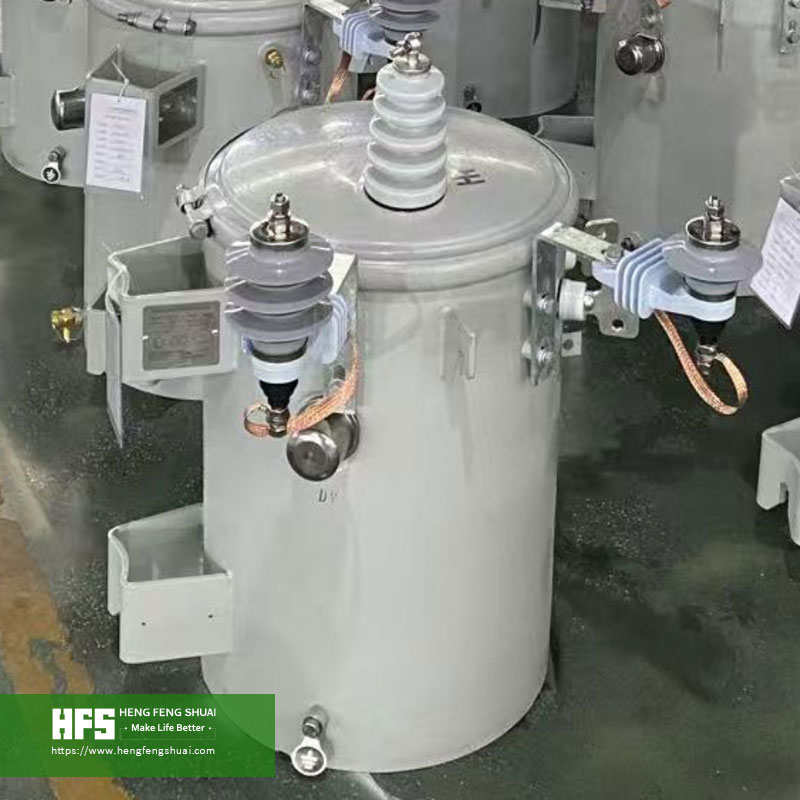
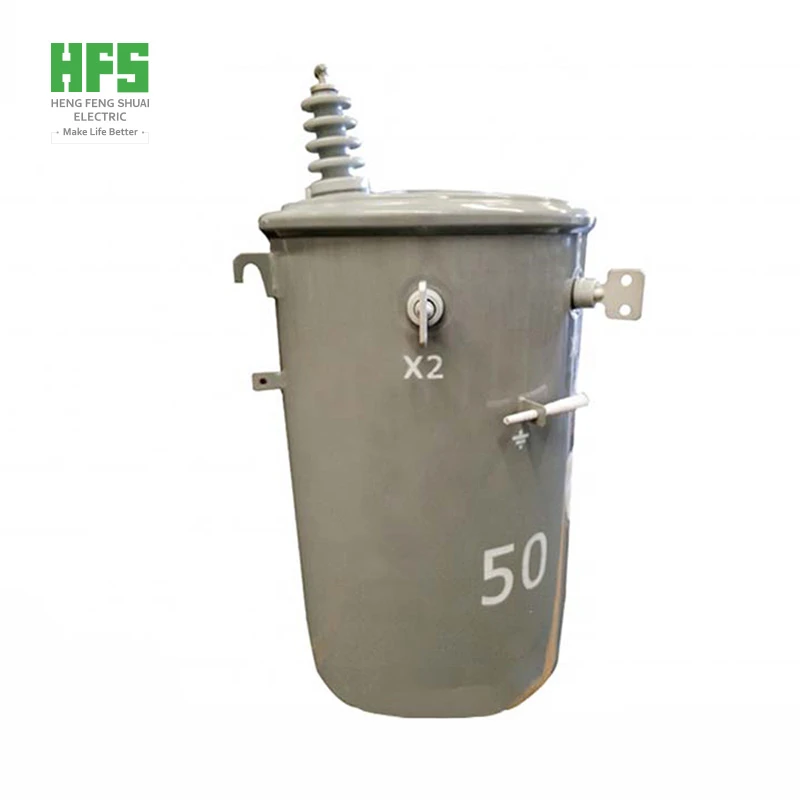
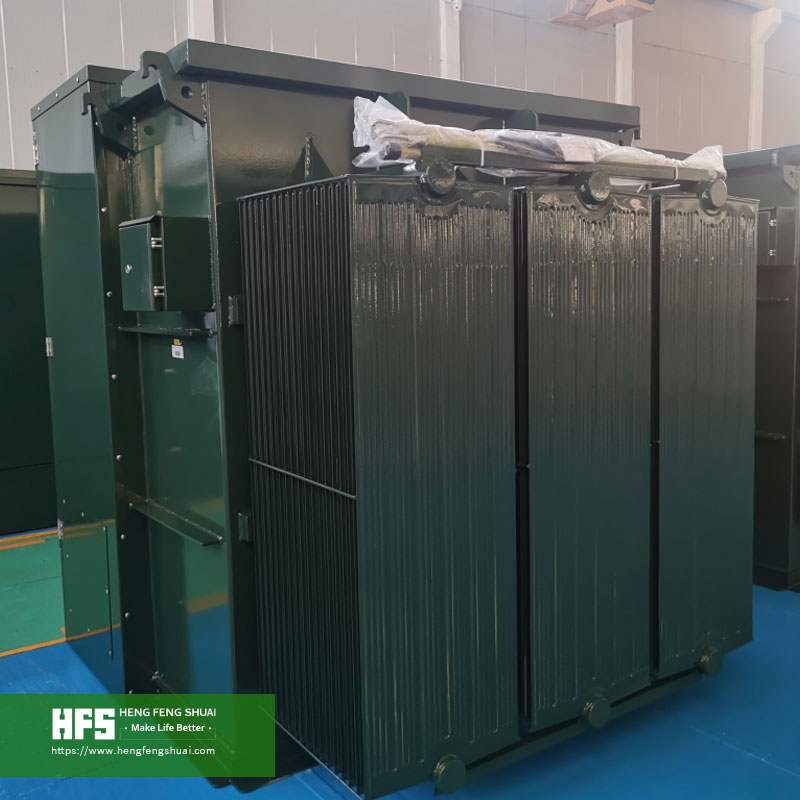
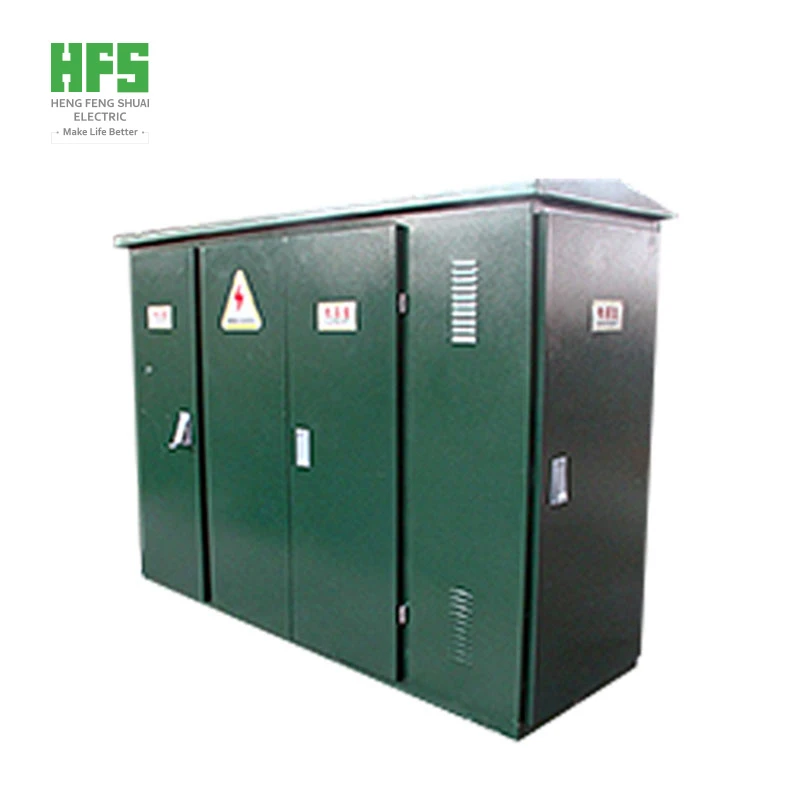
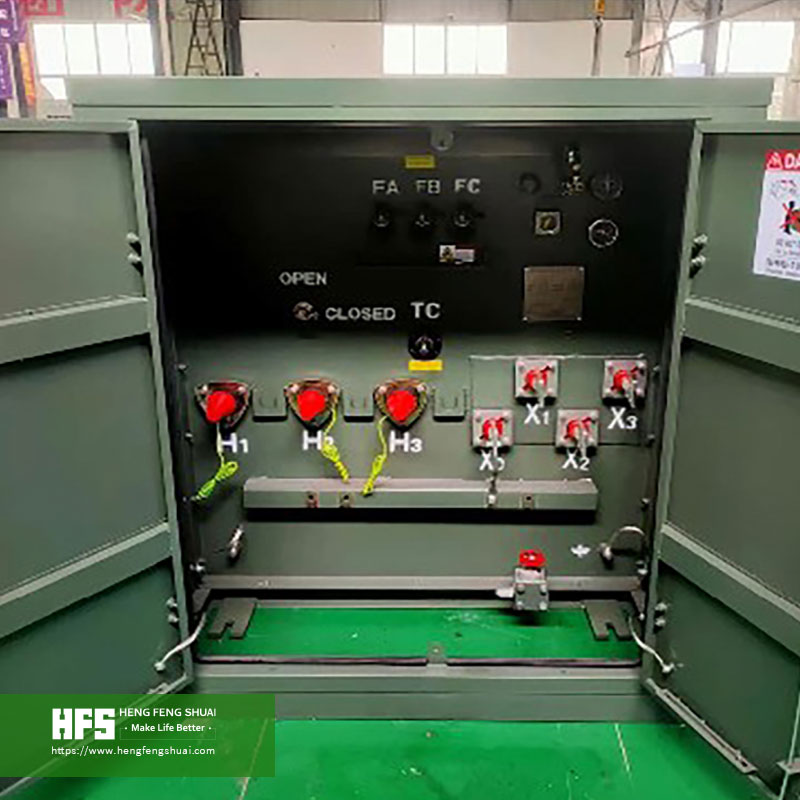
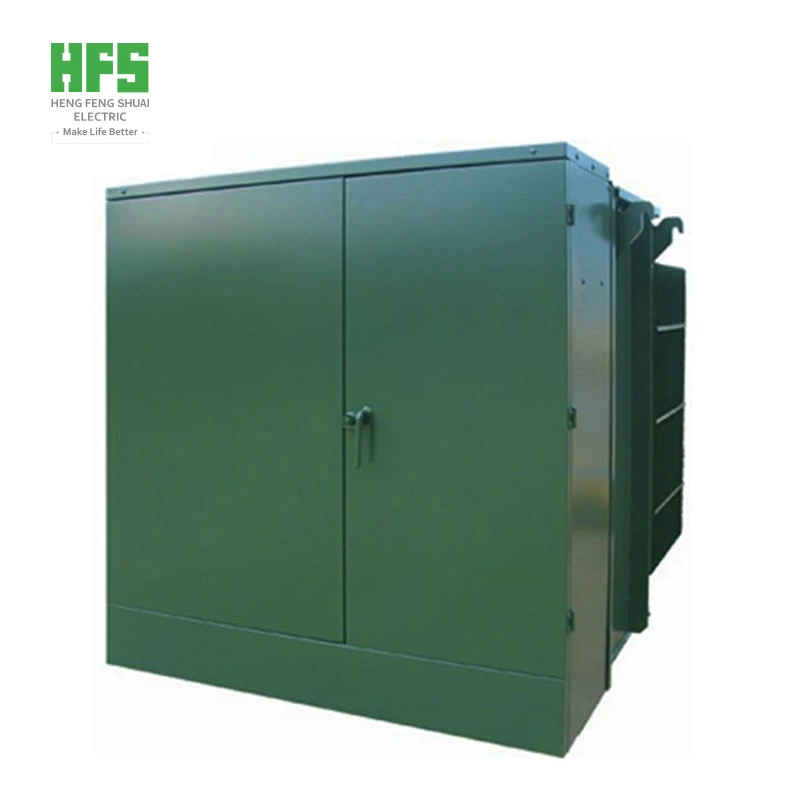
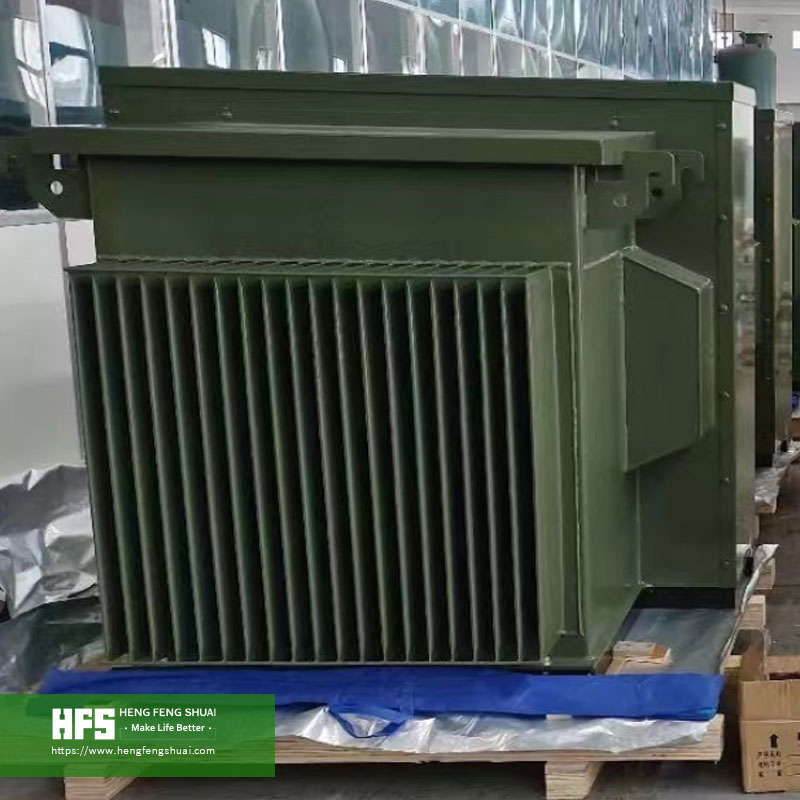
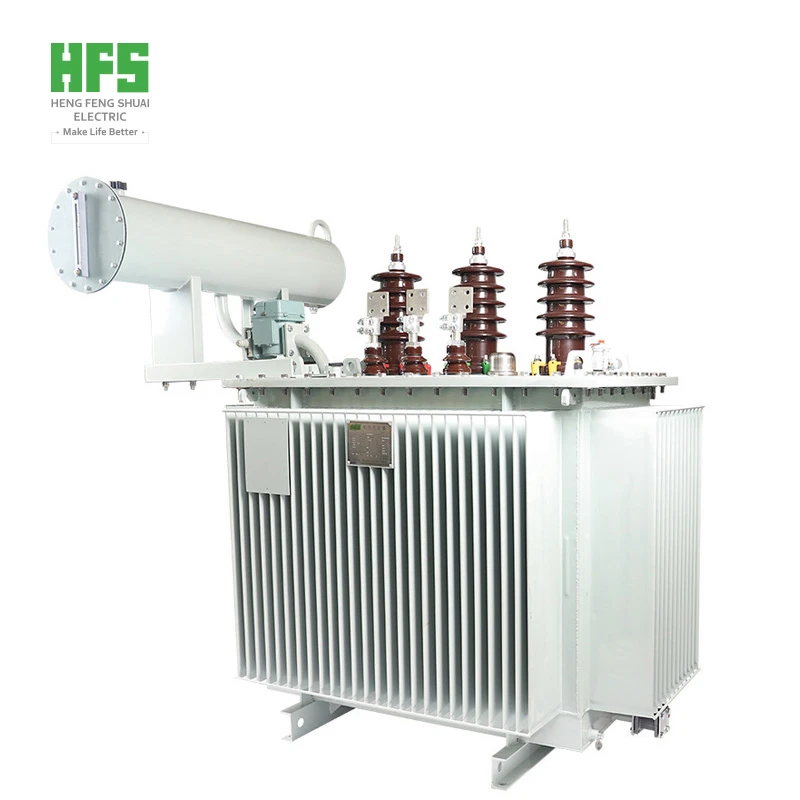
Guyana's power system is dominated by single-phase transformers. The 50-167kVA pole-mounted single-phase transformers with 13.2kV high-voltage input and 120/240V low-voltage output are core power supply equipment for local residential areas, rural power distribution, small commercial premises and infrastructure. Relying on decades of R&D and manufacturing experience in power transmission and distribution equipment, and combining Guyana's power grid standards, tropical savanna climate characteristics and electricity demand, Hengfengshuai Electric strictly complies with international certification norms such as ANSI, IEC and IEEE to provide an integrated turnkey solution covering design, production, testing, on-site delivery, installation and commissioning. This solution helps improve the distribution network construction in Georgetown, Guyana, and realize efficient and stable power transmission.
1 Project Overview and Technical Specifications
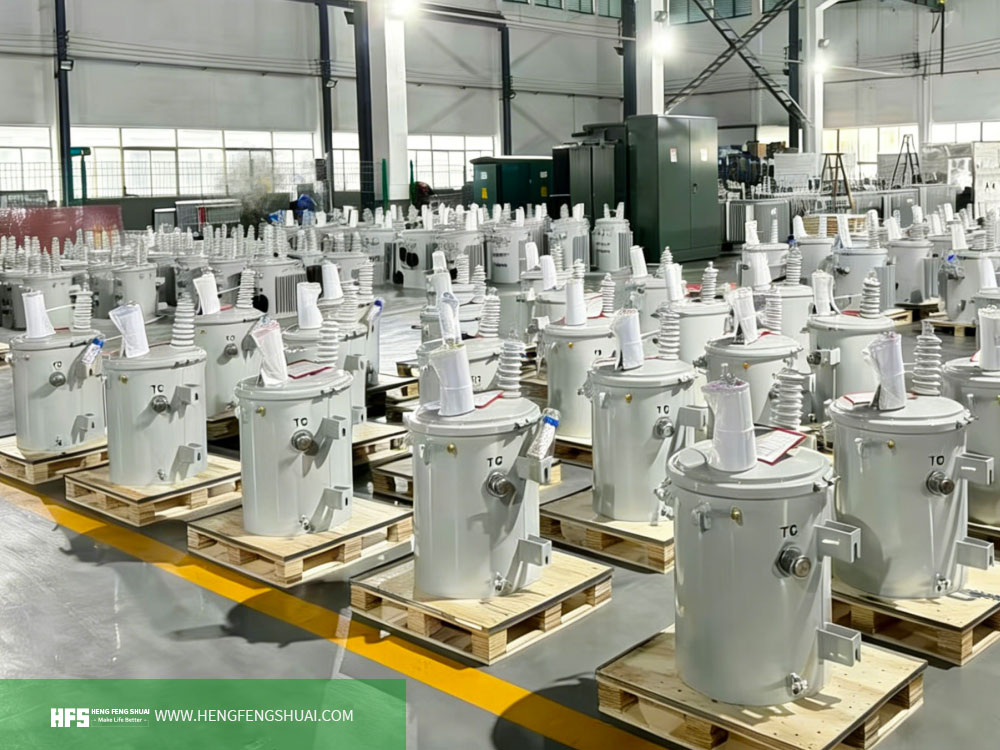
This solution is customized for the power grid upgrade in Georgetown, Guyana, covering the production of 100 sets of 50-167kVA pole-mounted single-phase transformers. The equipment adopts an outdoor pole-mounted design with compact size, light weight and strong protection performance, adapting to Guyana's tropical climate with high temperature, heavy rainfall and frequent lightning strikes. It also meets the local 13.2kV distribution network voltage level and 120/240V electricity demand for civil and small commercial use. The transformers can be directly mounted on utility poles without the need for separate machine rooms, significantly reducing installation and operation and maintenance costs.
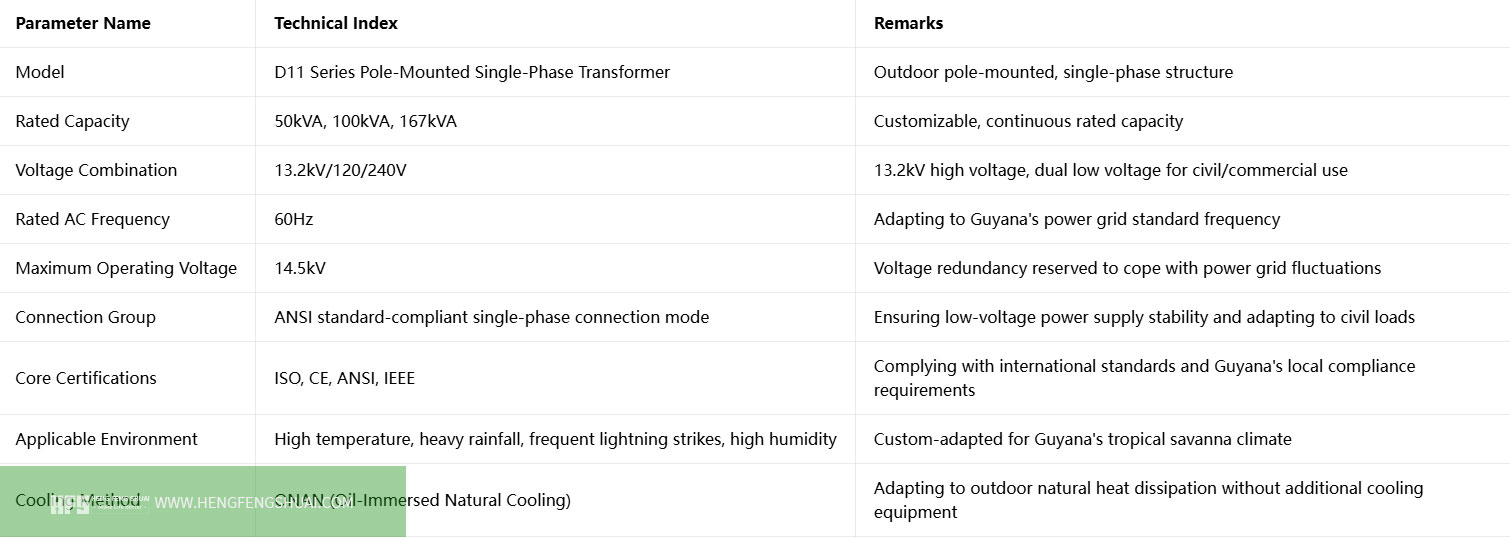
Table: Main Technical Parameters of Pole-Mounted Single-Phase Transformers
2 Design and Development Phase
2.1 Electromagnetic and Adaptation Scheme Design
Combined with Guyana's 13.2kV distribution network parameters, 60Hz frequency requirements and 50-167kVA capacity demand, the design team carried out special electromagnetic calculation and adaptability design: professional simulation software was used to accurately calculate the transformer's no-load loss, load loss, temperature rise and short-circuit impedance, and optimize the core and winding parameters; in view of Guyana's climate characteristic of frequent lightning strikes, the high-voltage side insulation design was strengthened and lightning protection structures were added; high magnetic permeability oriented silicon steel sheets were selected to reduce no-load loss and no-load current, improve equipment operation efficiency and meet the local demand for efficient utilization of power resources; at the same time, the 120/240V dual low-voltage output structure was optimized to meet the diverse electricity needs of civil lighting, small electrical appliances and small commercial equipment.
2.2 Structural Drawing Design
After the completion of the electromagnetic scheme, a 3-person technical team spent 10 days developing a full set of construction drawings, with the core design content tailored to pole-mounted installation and Guyana's climate characteristics, including:
Core and winding drawings: Determining the single-phase core structure and silicon steel sheet lamination method, optimizing the winding process, controlling the turn insulation thickness and oil channel distribution to adapt to stable operation at 60Hz, and reducing the equipment volume for easy pole mounting.
Insulation and lightning protection drawings: Designing high-strength insulation structures, selecting weather-resistant insulation materials, and adding high-voltage side lightning protection devices to resist damage to equipment caused by frequent lightning weather in Guyana.
Enclosure and installation drawings: Adopting a lightweight and corrosion-resistant enclosure design, analyzing the enclosure strength through ANSYS finite element analysis to meet the mechanical requirements of pole mounting; the enclosure is coated with waterproof, dustproof and corrosion-resistant coatings to cope with Guyana's high-temperature, heavy-rainfall and high-humidity environment and extend the service life of equipment; a convenient pole-mounted installation bracket is designed for rapid on-site installation.
2.3 Design Review
An internal review was organized by the technical, process and quality departments, focusing on the review of electromagnetic performance, structural strength, lightning and water resistance, process feasibility and compliance with Guyana's local power grid. The design scheme was confirmed to meet the technical agreement, international certification requirements and on-site installation needs. After the review was passed, the project officially entered the production and manufacturing phase.
3 Production and Manufacturing Phase
3.1 Material Procurement and Inspection
Strictly following Hengfengshuai Electric's SQA management system, all raw materials were fully re-inspected according to Guyana's climate and equipment application scenarios to eliminate unqualified materials from production. The key material procurement and inspection requirements are as follows:
Silicon steel sheets: High magnetic permeability oriented silicon steel was selected, with a focus on testing magnetic properties, thickness accuracy and temperature resistance to ensure that no-load loss meets the standard.
Conductors and insulation materials: T1 oxygen-free copper conductors with qualified resistivity and tensile strength were adopted; insulation materials such as insulation board and cable paper were tested for water content, electrical strength and weather resistance to adapt to Guyana's high-humidity and high-temperature environment.
Transformer oil and protective materials: Temperature and moisture resistant naphthenic transformer oil with qualified breakdown voltage and insulation performance was selected; the enclosure coating adopted outdoor special anti-corrosion and waterproof paint, which passed the salt spray test to ensure no rusting or peeling during long-term outdoor use.
Lightning protection components and accessories: ANSI standard-compliant lightning protection components, tap changers and terminals were procured to ensure reliable lightning protection performance and electrical connection.
3.2 Core Component Manufacturing
Core manufacturing: Silicon steel sheets were precisely processed by slitting and cross-shearing lines, deburred and coated with a temperature-resistant insulation layer, and laminated using a step lap process to reduce magnetic resistance and no-load loss at the joints; after lamination, no-load loss and no-load current tests were conducted and compared with the design values, and the qualified cores were allowed to enter the next process.
Coil manufacturing: Windings were wound in a constant temperature and humidity clean workshop, with strict control over accurate turns, correct transposition and tight and even winding; the high-voltage winding adopted a multi-layer insulation structure to strengthen lightning protection and insulation protection; the low-voltage winding was adapted to 120/240V dual voltage output, and after winding, the DC resistance and turns of each winding were tested to ensure that the electrical performance met the standard.
Enclosure manufacturing: Lightweight steel plates were cut and welded to form the enclosure, and a kerosene leakage test was carried out after welding to check the weld quality; after sandblasting to remove oxide scale, primer, intermediate paint and topcoat were sprayed, with qualified coating thickness and adhesion to meet the outdoor C4 level anti-corrosion requirements and adapt to Guyana's harsh climate.
3.3 Assembly and Drying
Core assembly: Coils, cores and insulation parts were accurately assembled, and leads were connected by silver-copper welding to ensure mechanical strength and electrical conductivity; tap changers, lightning protection components and terminals were installed, with strict cleanliness control throughout the process to prevent metal foreign bodies and dust residues from affecting equipment performance.
Drying treatment: Two vacuum drying processes were carried out (total drying time of 48 hours) using a vacuum hot air drying process to completely remove moisture from the insulation materials, ensure insulation resistance and electrical performance, adapt to the long-term stable operation of equipment in Guyana's high-humidity environment, and avoid equipment failures caused by insulation moisture absorption.
3.4 Final Assembly
The dried core was hoisted into the anti-corrosion enclosure, and accessories such as bushings, conservators and temperature measuring devices were installed, and the leads and control circuits were connected according to the drawings. After final assembly, the vacuum was pumped to ≤133Pa and maintained for more than 20 hours, and qualified transformer oil was injected using a vacuum oil injection process to ensure no air bubbles and no leakage inside the equipment; finally, the pole-mounted installation bracket was installed to complete the final assembly of the equipment, and the appearance and assembly accuracy of the equipment were inspected as a whole.
4 Test and Verification Phase - Factory Acceptance Test (FAT)
4.1 Routine Tests
Each pole-mounted single-phase transformer must complete a full set of routine tests before delivery to ensure that the equipment performance meets the standard. The core test items include:
Electrical performance test: Winding DC resistance measurement (all tap positions), voltage ratio measurement and connection group label verification to ensure accurate transformation ratio and correct polarity, adapting to the 13.2kV/120/240V voltage requirements.
Insulation and oil quality test: Insulation resistance, absorption ratio or polarization index measurement to evaluate insulation moisture absorption; dielectric loss factor (tanδ) measurement to detect the overall insulation condition; transformer oil breakdown voltage, micro-water and chromatographic analysis to ensure qualified oil quality.
Operation performance test: No-load loss and no-load current measurement (at rated voltage), load loss and short-circuit impedance measurement (at rated tap) to verify the equipment operation efficiency.
Lightning protection and protection test: Lightning protection component performance test and tap changer action test to ensure reliable lightning protection and smooth tap switching.
4.2 Type Tests
In response to the market demand in Guyana, type tests were carried out on the first product to verify the design rationality and equipment reliability. The core test items include:
Temperature rise test: Simulating operation under rated load to verify the temperature rise of windings and top oil, adapting to the operation stability of equipment in Guyana's high-temperature environment.
Lightning impulse test: Full-wave and chopped-wave impulse tests to inspect the equipment's ability to withstand lightning overvoltage in Guyana.
Partial discharge measurement: At 1.5Um/√3 voltage, the discharge capacity is ≤100pC to ensure insulation safety.
Sound level measurement: Measuring the noise level to ensure it is ≤55dB(A), adapting to sensitive scenarios such as residential areas and rural areas.
Weather resistance test: Simulating Guyana's high-temperature, high-humidity and rainfall environment to test the weather resistance of the equipment enclosure and internal components to ensure no failures during long-term outdoor operation.
4.3 Special Tests
According to the user's requirements in Guyana, additional special tests can be carried out (optional):
Winding deformation test: Measured by the frequency response method, the original waveform is retained as a comparison basis after commissioning to judge whether the equipment is damaged during transportation and installation.
Short-circuit withstand capacity test: Verifying the transformer's ability to withstand short-circuit current to ensure equipment safety in the event of a power grid fault.
Insulation aging test: Simulating long-term operation conditions to test the aging speed of insulation materials to ensure the equipment service life is ≥20 years.
All test records are sorted and filed to form a complete factory acceptance test report (FAT), which is delivered to the user together with the product to ensure that the test data is traceable and verifiable.
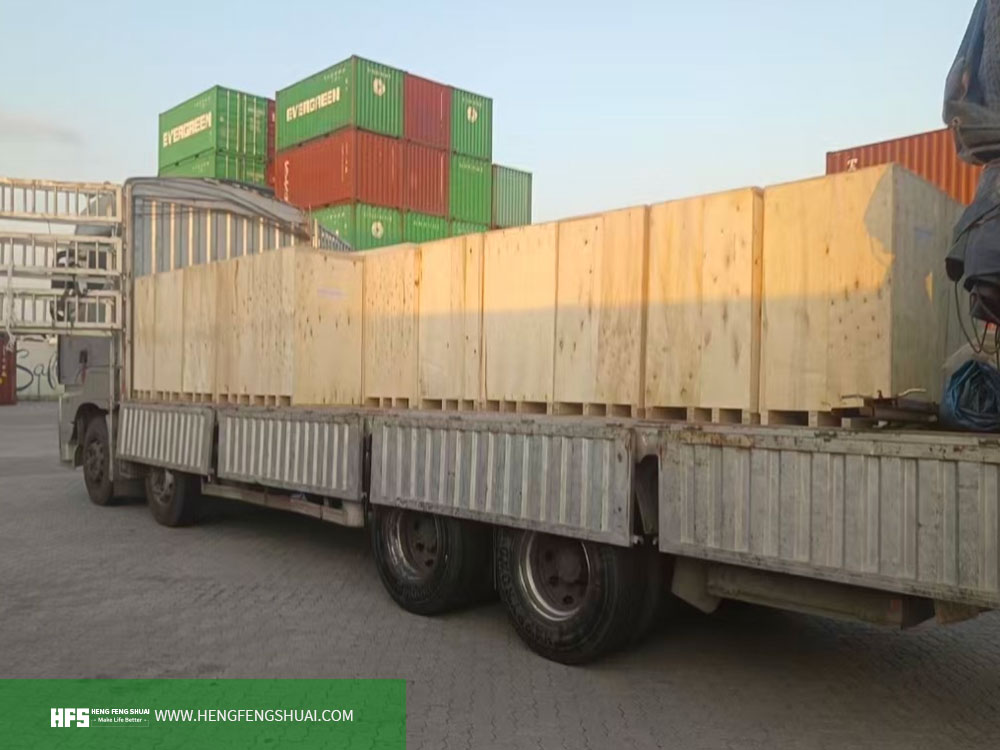
5 Packaging and Transportation Phase
5.1 Disassembly and Protection
After passing the tests, targeted disassembly and protection measures were taken in combination with Guyana's logistics characteristics (numerous rural roads and limited transportation conditions in some areas):
Vulnerable accessories such as bushings and conservators were disassembled, packaged separately and protected against shock and collision.
Sealing cover plates were added to the flange interfaces of the equipment body, and dry nitrogen was filled (pressure 0.02MPa) to protect the internal insulation and transformer oil and prevent moisture absorption and water ingress during transportation.
The pole-mounted installation bracket was packaged separately with installation position marks for rapid on-site assembly.
The surface of the equipment body was wrapped with waterproof and shock-absorbing buffer materials to avoid collision and corrosion during transportation.
5.2 Packaging
The equipment body was packaged with a wooden bracket and waterproof and rainproof cloth to ensure waterproof, dustproof and anti-collision during transportation; accessories were put into wooden packing cases, placed by category and marked with the name and quantity of spare parts; the outside of the packing cases was marked with the center of gravity, lifting points, no inversion, moisture proof, shock proof and other signs, as well as Guyana's local transportation compliance signs. Complete accompanying documents are provided, including: factory certificate of conformity, FAT factory test report, installation and operation manual (including Guyana's local language version), packing list, product certification certificates, accessory manuals, etc.
5.3 Transportation
Combined with Guyana's transportation conditions, the weight of the 50-167kVA pole-mounted single-phase transformer body (excluding oil) is 0.8-1.5 tons, and light semi-trailers are used for road transportation. For areas with narrow rural roads and poor road conditions, small transport vehicles are selected to ensure smooth arrival at the site. Before transportation, the local oversize transport permit in Guyana is processed, and the optimal transportation route is planned to avoid sections with height limits, weight limits and poor road conditions; two 3D shock recorders are installed throughout the transportation process to monitor vibration and impact in real time, ensure no damage to the equipment during transportation, and the transportation data is filed for traceability.
6 On-Site Delivery and Installation
6.1 On-Site Handover
After the equipment arrives at the project site in Guyana, joint unpacking and acceptance are carried out with the user and the local power department to ensure the equipment is intact and the data is complete. The core handover processes include:
Appearance inspection: Checking whether the equipment enclosure and accessories have rust, collision, damage, intact sealing and no leakage marks.
Accessory verification: Checking the quantity and specifications of accessories against the packing list to ensure no loss or wrong delivery.
Status detection: Detecting whether the nitrogen pressure is normal to judge the sealing state during transportation; reading the shock recorder data to confirm that the impact and vibration during transportation do not exceed the standard.
Data verification: Checking the complete set of data such as factory certificate of conformity, test report and certification certificate to ensure compliance with Guyana's local power grid requirements.
6.2 On-Site Installation
In accordance with Guyana's local power installation specifications and combined with the characteristics of pole-mounted installation, professional technical personnel are arranged to guide the installation on site. The core processes are as follows:
Positioning and mounting: Using a small crane or hydraulic equipment to accurately mount the transformer body on the preset utility pole, adjust the levelness and installation height, and fix it firmly to ensure mounting safety.
Accessory installation: Installing accessories such as bushings, conservators and lightning protection components according to the drawings, connecting high and low voltage leads to ensure standard wiring and good contact; installing the pole-mounted installation bracket to fix the equipment position.
Vacuum oil injection: If the conservator is disassembled during transportation, the vacuum is pumped to the specified value on site, and then qualified transformer oil is injected, with the oil injection speed and oil temperature controlled.
Static air release: After oil injection, the equipment is left to stand for 24 hours, and the gas in the gas relay is discharged for many times to remove air bubbles inside the equipment and ensure stable insulation performance.
6.3 On-Site Acceptance Test (SAT)
After the completion of installation, on-site acceptance tests (SAT) are carried out in accordance with Guyana's power grid standards and DL/T 5161 series specifications. The core test items include:
Re-test of insulation and oil quality: Insulation resistance and dielectric loss factor measurement, simplified analysis and chromatographic analysis of transformer oil to ensure that the insulation is not damaged during transportation and installation.
Recheck of electrical performance: Recheck of winding DC resistance, voltage ratio and connection group label, compared with the factory test data to ensure no performance attenuation.
Lightning protection and protection test: Lightning protection component performance test, tap changer action test and protection device calibration to ensure reliable lightning protection and accurate protection action.
Withstand voltage test: AC withstand voltage test of windings with bushings to inspect the main insulation performance and ensure the safe commissioning of the equipment.
Winding deformation test: Compared with the factory waveform to judge whether the winding is damaged during transportation and installation.
6.4 Power-On and Commissioning
After the acceptance test is qualified, the site is cleaned up, all protection connections are restored, and five no-load inrush closing tests are carried out to check the impact of inrush current on the protection device and observe whether the equipment has abnormal noise, heating and other conditions; after 24 hours of no-load operation without abnormalities, the equipment is officially put into operation with load, and technical personnel are arranged to be on duty on site for 24 hours to provide commissioning guidance and fault emergency treatment to ensure the smooth commissioning of the equipment.
7 Whole-Process Quality Control
7.1 Key Control Points
Design phase: Strictly follow Guyana's power grid standards and international certification requirements; the design scheme can be put into production only after passing the tripartite review.
Material phase: 100% re-inspection of core raw materials; unqualified materials are strictly prohibited from warehousing and production.
Production phase: In-process testing of core components such as cores and coils, cleanliness control of core assembly; each process can enter the next process only after passing the acceptance.
Factory delivery phase: Full-item FAT test acceptance; unqualified equipment is strictly prohibited from delivery.
Transportation phase: Full-process monitoring by 3D shock recorders, transportation data filed for traceability to ensure equipment transportation safety.
On-site phase: Comparative analysis of on-site acceptance test data and factory data to ensure no equipment performance attenuation and compliance with installation specifications.
7.2 Data Delivery
A complete and compliant set of technical data is finally delivered to the Guyanese user to facilitate the user's subsequent operation and maintenance, including:
Transformer factory certificate of conformity;
FAT factory test report and SAT on-site acceptance test report;
Installation, operation and maintenance manual (including Guyana's local language version);
Assembly drawings (electronic + paper version);
Product certification certificates (ISO, CE, ANSI, etc.).
8 Summary
The turnkey solution provided by Hengfengshuai Electric for 100 sets of 50-167kVA 13.2kV/120/240V pole-mounted single-phase transformers in Guyana is not a simple equipment delivery, but an in-depth customized service based on Guyana's local power grid standards, tropical climate characteristics and electricity demand. Relying on decades of R&D and manufacturing experience in power transmission and distribution equipment, a complete quality control system and international certification advantages, we have provided high-quality power transmission and distribution solutions for more than 50 countries around the world, and can accurately adapt to the power distribution needs of scenarios such as rural areas and residential areas in Guyana, helping the local distribution network upgrade and realizing efficient, stable and safe power transmission.
Contact Hengfengshuai Electric immediately (hfs@hengfengshuai.com) to obtain a customized pole-mounted single-phase transformer solution adapted to Guyana's local conditions, and work together to promote the construction of Guyana's power infrastructure.