

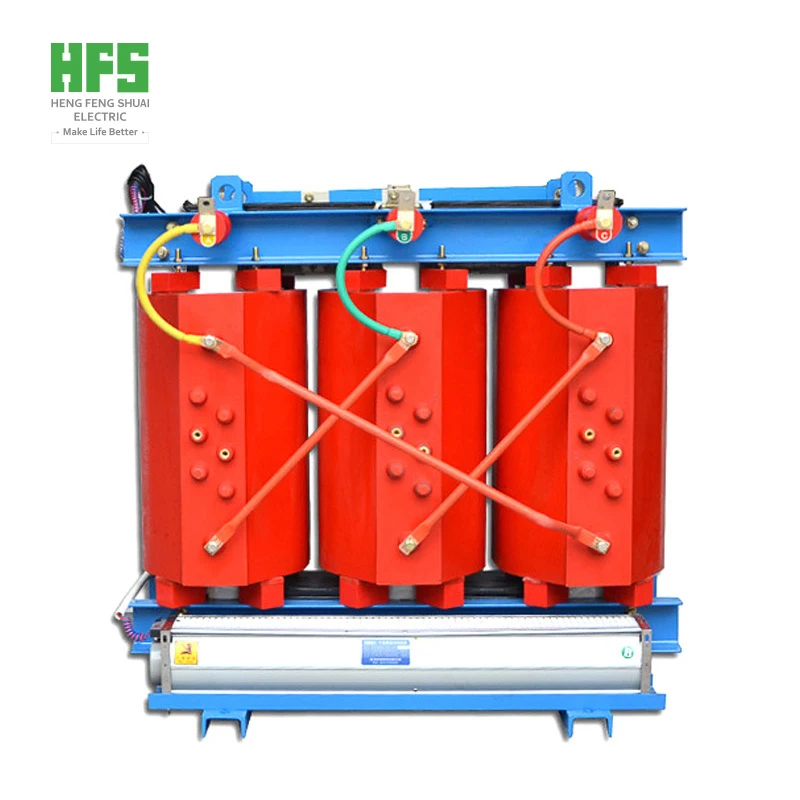
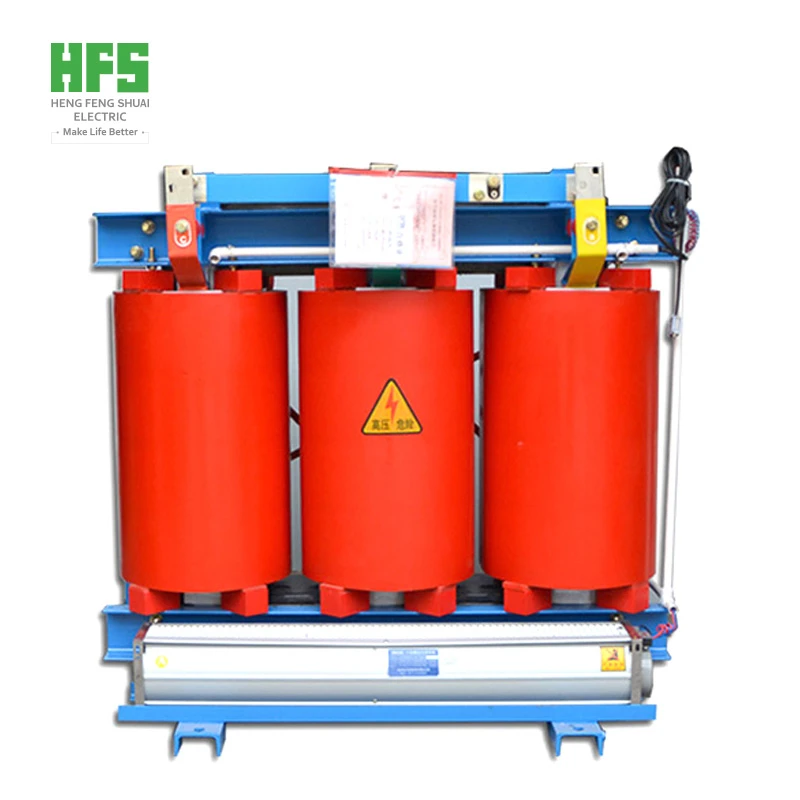
The three-phase temperature of a dry transformer is a critical performance indicator. A balanced three-phase temperature ensures safer, more stable, and efficient transformer operation. During use, maintaining temperature balance across phases is essential. However, what causes an increasing temperature difference—such as a 30°C variation—between phases? Let’s analyze the possible reasons step by step.
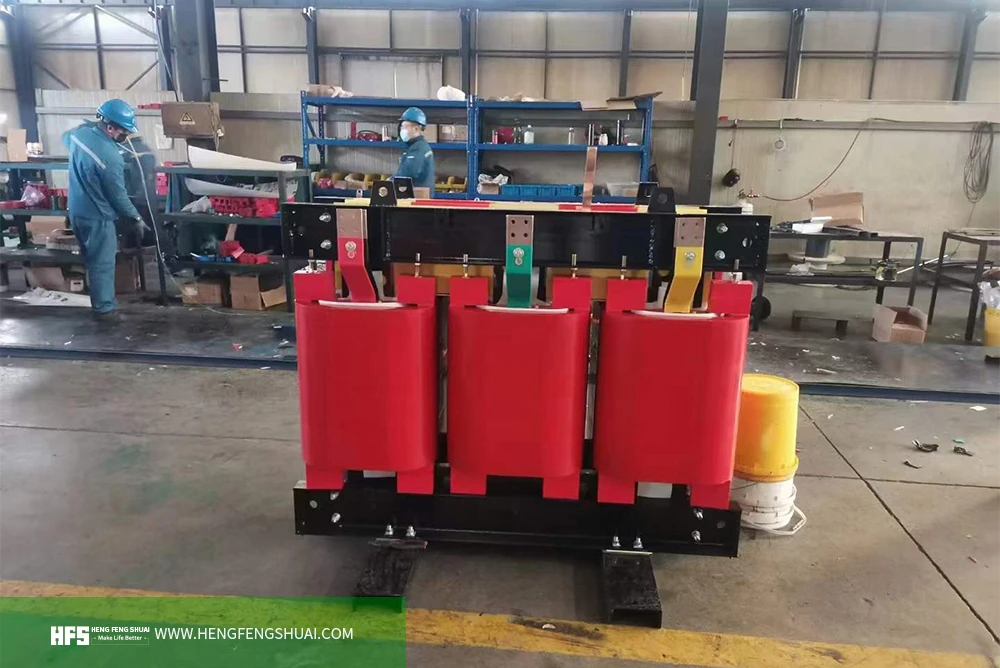
How to Diagnose a 30°C Temperature Difference in Dry Transformers
1. Confirm the Measurement Method First
Before investigating the cause, ensure the temperature difference measurement is accurate. The method of temperature reading is the prerequisite for all subsequent diagnostics. Verify that all temperature sensors are correctly positioned and functioning.
2. Check for Unbalanced Phase Loads
A temperature difference of around 10°C is usually normal if, for example, Phase A is under a heavier load and Phase C is lighter. However, if the three-phase load is balanced and the temperature difference still reaches 30°C, further investigation is required.
3. Inspect External Cooling and Environmental Conditions
If loads are balanced but the temperature difference remains high, examine the transformer’s external operating environment:
Ventilation and airflow around the transformer
Heat dissipation conditions
Whether the thermometer or temperature probe is fully inserted and making proper contact
4. Perform Internal Checks When External Conditions Are Normal
If everything external appears normal and a 30°C difference persists, move to internal diagnostics. Follow these steps:
Step 1: Test temperature sensor positions
Under safe, de-energized conditions, swap the positions of the temperature probes (e.g., move Phase A probe to Phase C). If the temperature difference follows the probe, the thermometer may be faulty.
Step 2: Inspect transformer windings
If the thermometer is not the issue, evaluate the coil condition:
Insulation resistance test – Verify if the transformer’s insulation resistance meets required standards.
DC resistance measurement – Measure the DC resistance of each phase to detect possible short circuits between turns or windings.
5. Consider Core-Related Issues (Rare but Possible)
The last potential cause is abnormal transformer core operation. This scenario is theoretically possible but rarely encountered in practice. If all other possibilities have been ruled out, the issue may be internal to the transformer core, potentially requiring transformer replacement or professional refurbishment.
Conclusion: Ensure Safe Dry Transformer Operation
Understanding the causes of three-phase temperature differences in dry transformers is essential for reliable operation. Always start with accurate temperature measurement, then evaluate load balance, environmental cooling, sensor integrity, winding health, and finally core condition. Regular temperature monitoring helps ensure the stability and safety of dry transformer performance over the long term.
Qingdao Hengfengshuai Electric Co., Ltd
WhatsApp: +86 152 6625 8801
Address: No. 251, Xingyang Road, Chengyang District, Qingdao, Shandong
Email: hfs@hengfengshuai.com
Customer service email: service@hengfengshuai.com
website:https://www.hengfengshuai.com